

Cambodia is a country of quiet strength and deep soul. From ancient temples rising out of the jungle to peaceful villages along winding rivers, Cambodia offers international travelers an experience that is both humbling and unforgettable. It is a destination where history is deeply felt, culture is gently preserved, and human warmth is present in everyday encounters.
This Cambodia Travel Guide is designed as a complete pillar resource for international travelers — whether you are visiting Cambodia for the first time or returning to explore beyond the famous highlights. Inside, you will find essential information, practical travel tips, and cultural insights to help you travel Cambodia with confidence and respect.
Why Visit Cambodia?
Cambodia stands apart from many destinations in Southeast Asia. It is less hurried, less crowded, and deeply authentic.
International travelers are drawn to Cambodia for several reasons:
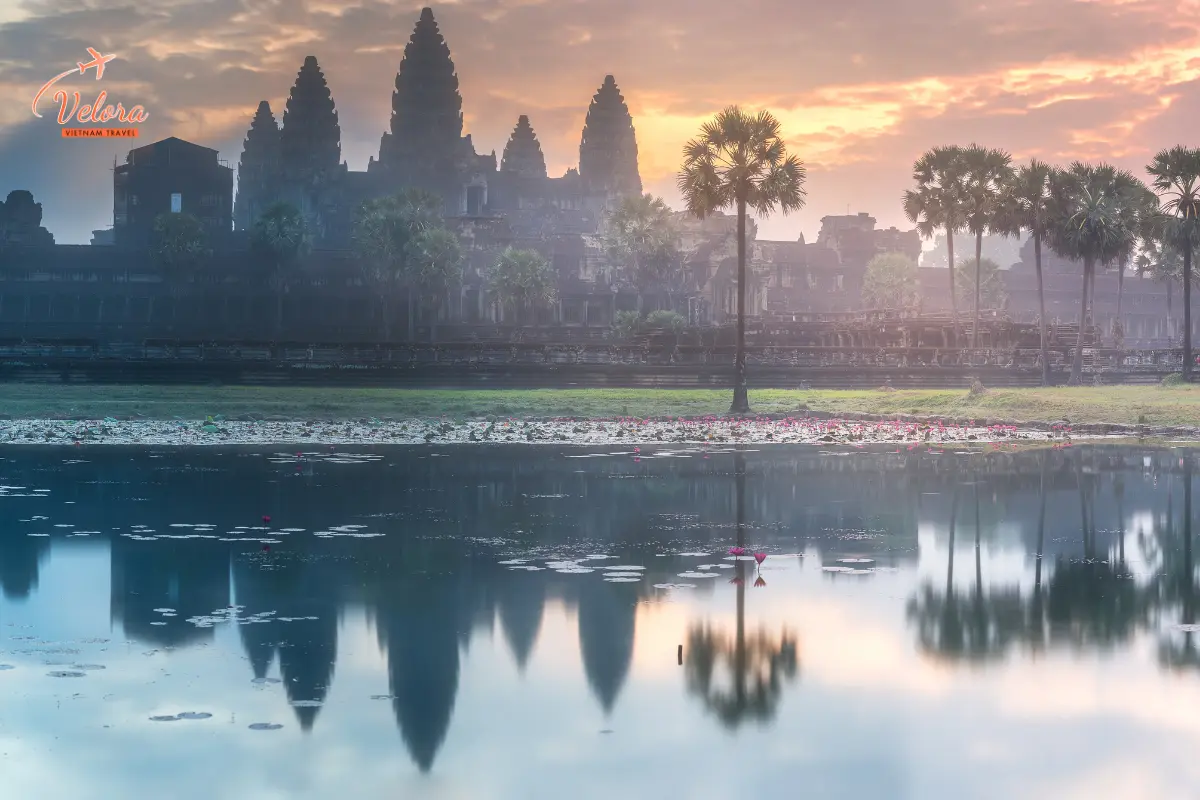
- Home to Angkor Wat, one of the world’s greatest ancient wonders
- A rich cultural heritage shaped by centuries of Khmer civilization
- Affordable travel costs and good value for accommodation and food
- Friendly, resilient people with a strong sense of community
- A slower pace of travel, ideal for meaningful experiences
Cambodia is not just a place to see — it is a place to feel.
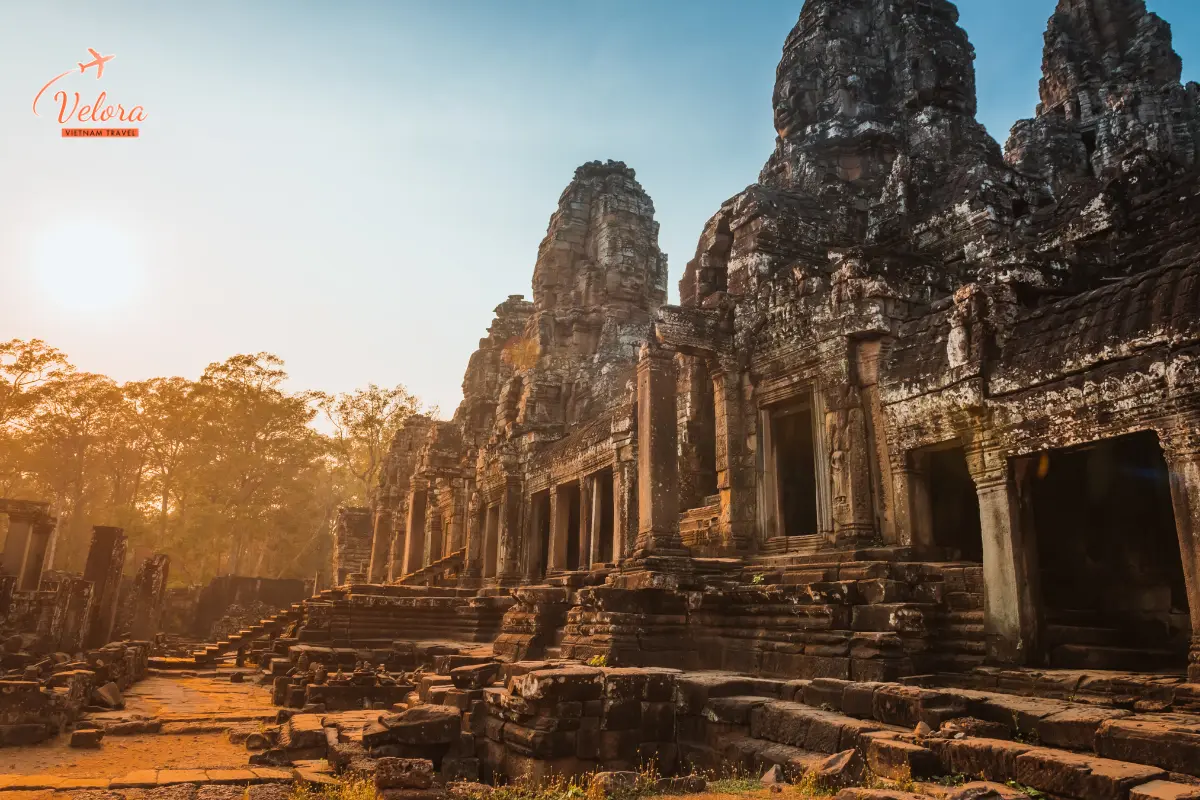
Cambodia at a Glance
- Capital: Phnom Penh
- Currency: Cambodian Riel (KHR), US Dollars widely accepted
- Language: Khmer
- Religion: Theravada Buddhism
- Time Zone: GMT +7
- Visa: Easy e-visa and visa on arrival for many nationalities
Cambodia is compact, making it possible to explore multiple regions within a single trip.
Visa Requirements for Cambodia
Cambodia offers one of the simplest visa processes in Southeast Asia.
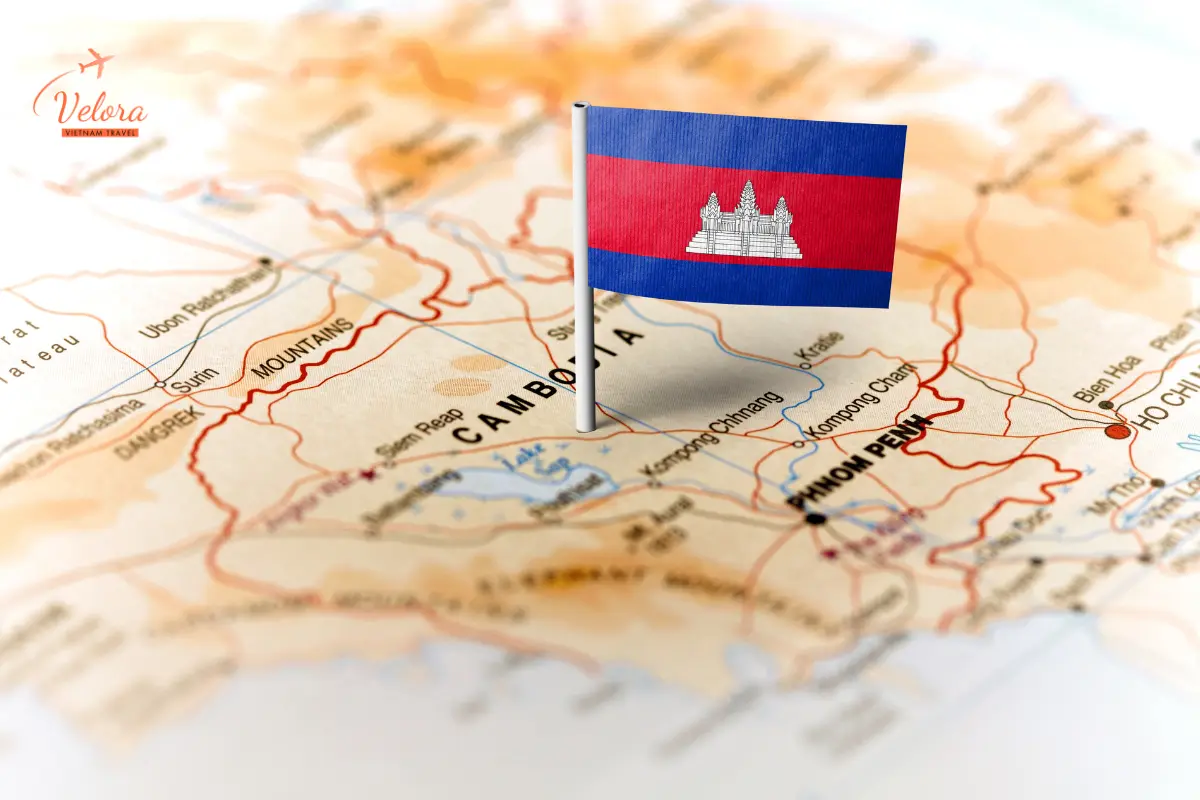
Tourist Visa Options
- E-visa: Apply online before arrival
- Visa on Arrival: Available at major airports and land borders
- Validity: 30 days
- Extension: Possible for an additional 30 days
Travelers should ensure:
- Passport validity of at least 6 months
- One passport-sized photo (or digital equivalent)
The process is generally quick and straightforward.
Best Time to Visit Cambodia
Cambodia has a tropical climate with two main seasons.
Dry Season (November – April)
- Best time to visit
- Sunny days and lower humidity
- Ideal for temple exploration and outdoor activities
Green Season (May – October)
- Lush landscapes and fewer crowds
- Short, heavy rain showers
- Lower travel costs
For most international travelers, December to February offers the most comfortable conditions.
Top Places to Visit in Cambodia
Siem Reap – Gateway to Angkor
Siem Reap is Cambodia’s most visited destination and the gateway to the Angkor temple complex.
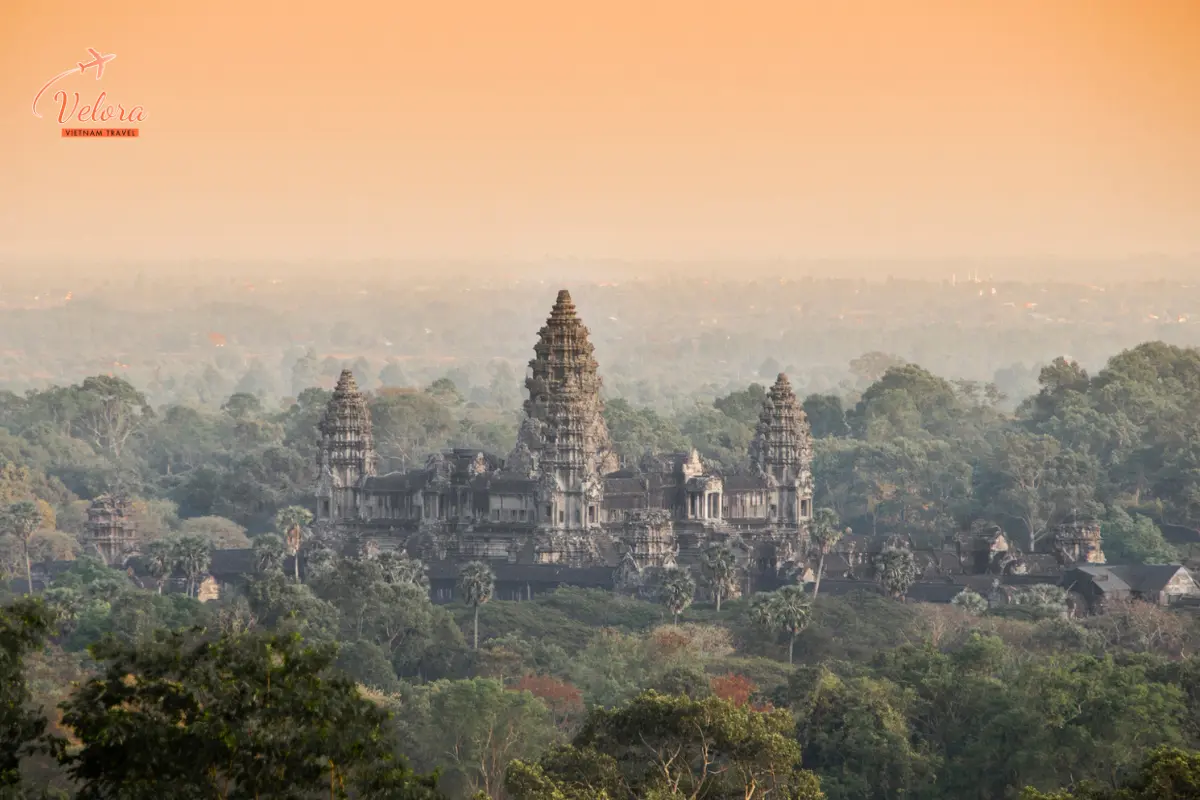
Highlights include:
- Angkor Wat at sunrise
- Bayon Temple with its iconic stone faces
- Ta Prohm, where jungle roots intertwine with ancient walls
Beyond the temples, Siem Reap offers:
- A relaxed town atmosphere
- Cultural performances and artisan markets
- Excellent dining options
Siem Reap balances history with comfort, making it ideal for first-time visitors.
Phnom Penh – History, Resilience, and Modern Cambodia
Phnom Penh is Cambodia’s capital and cultural heart. Located at the confluence of the Mekong and Tonle Sap rivers, the city reflects Cambodia’s complex past and hopeful future.
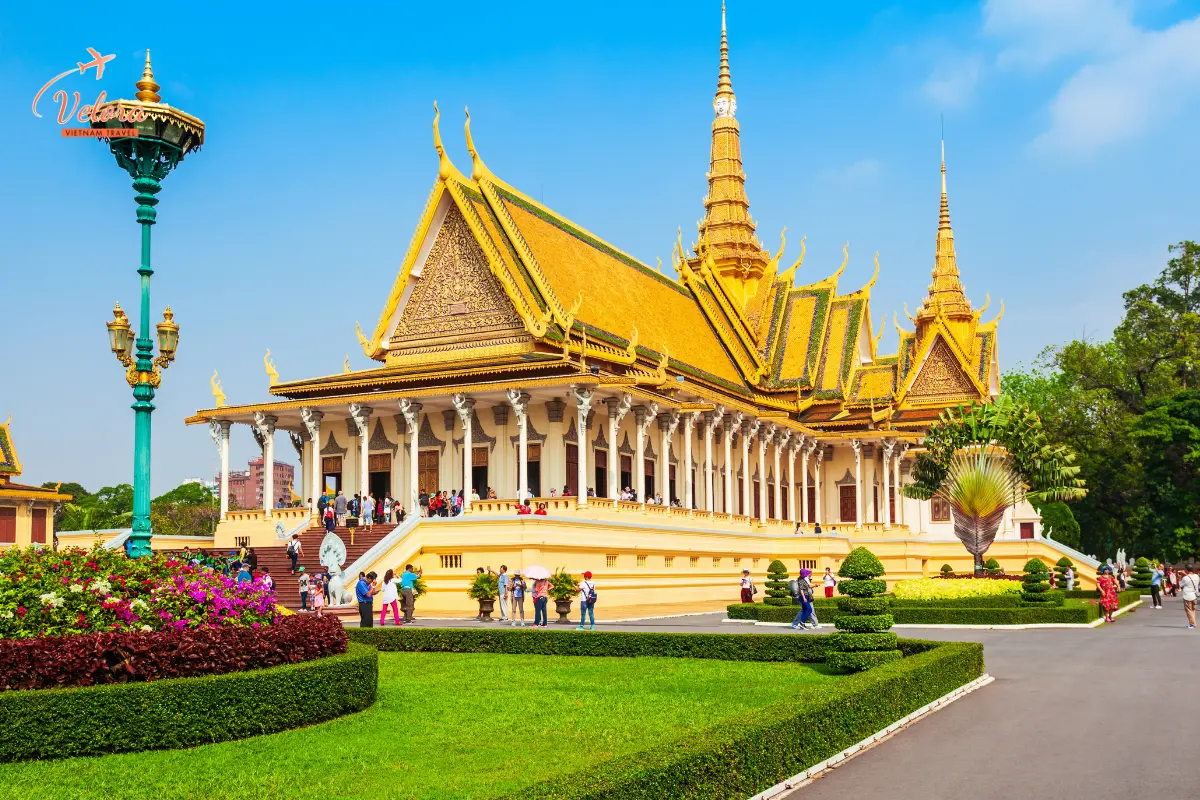
Key experiences include:
- The Royal Palace and Silver Pagoda
- Tuol Sleng Genocide Museum
- Riverside walks along Sisowath Quay
Phnom Penh offers important historical context and insight into contemporary Cambodian life.
Battambang – Art, Countryside, and Slow Travel
Battambang is Cambodia’s second-largest city, yet it retains a calm and creative spirit.
Travelers enjoy:
- French colonial architecture
- Art galleries and creative spaces
- The famous Bamboo Train
- Rural cycling through rice fields
Battambang is perfect for travelers seeking a deeper connection with local life.
Kampot & Kep – Rivers, Pepper Farms, and the Sea
Southern Cambodia offers a slower, scenic escape.
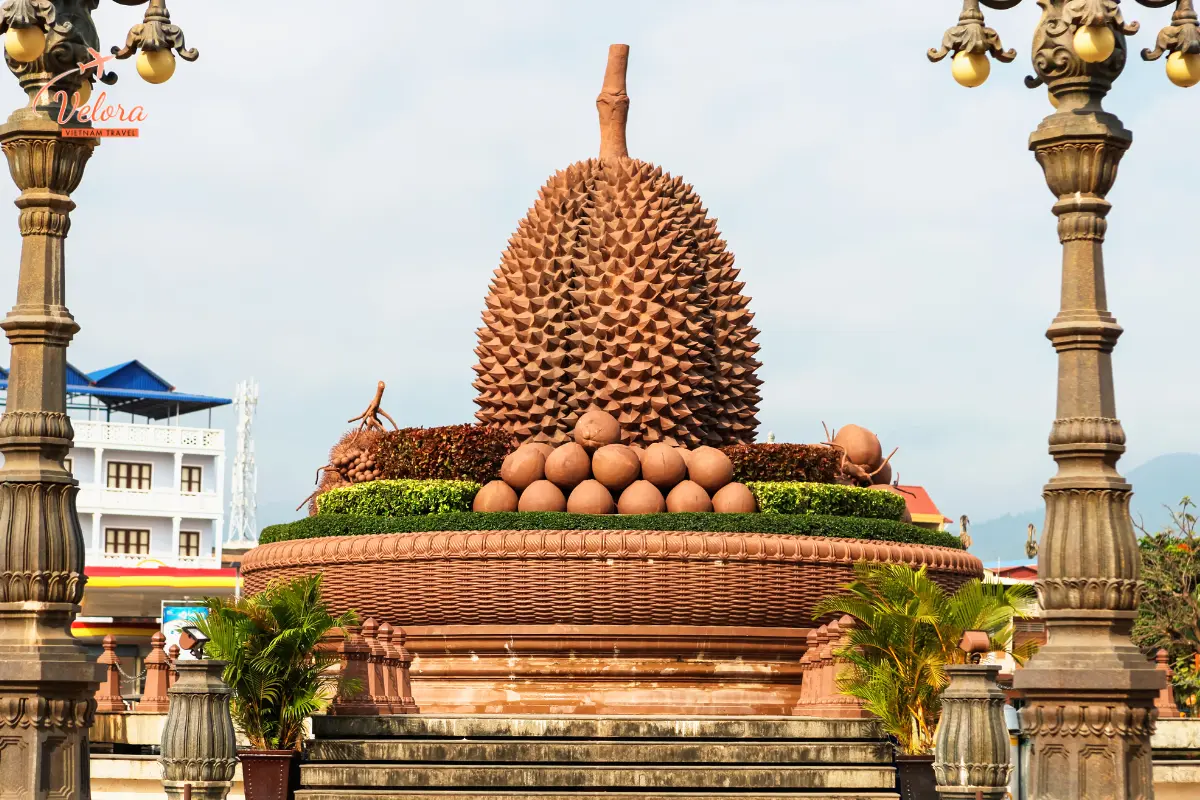
Kampot is known for:
- Riverfront sunsets
- Pepper plantations
- Colonial-era charm
Kep is famous for:
- Fresh seafood, especially crab
- Quiet beaches
- Relaxed coastal atmosphere
These towns are ideal for rest and reflection.
Cambodian Islands – Koh Rong & Koh Rong Samloem
Cambodia’s islands offer tropical beauty without heavy development.
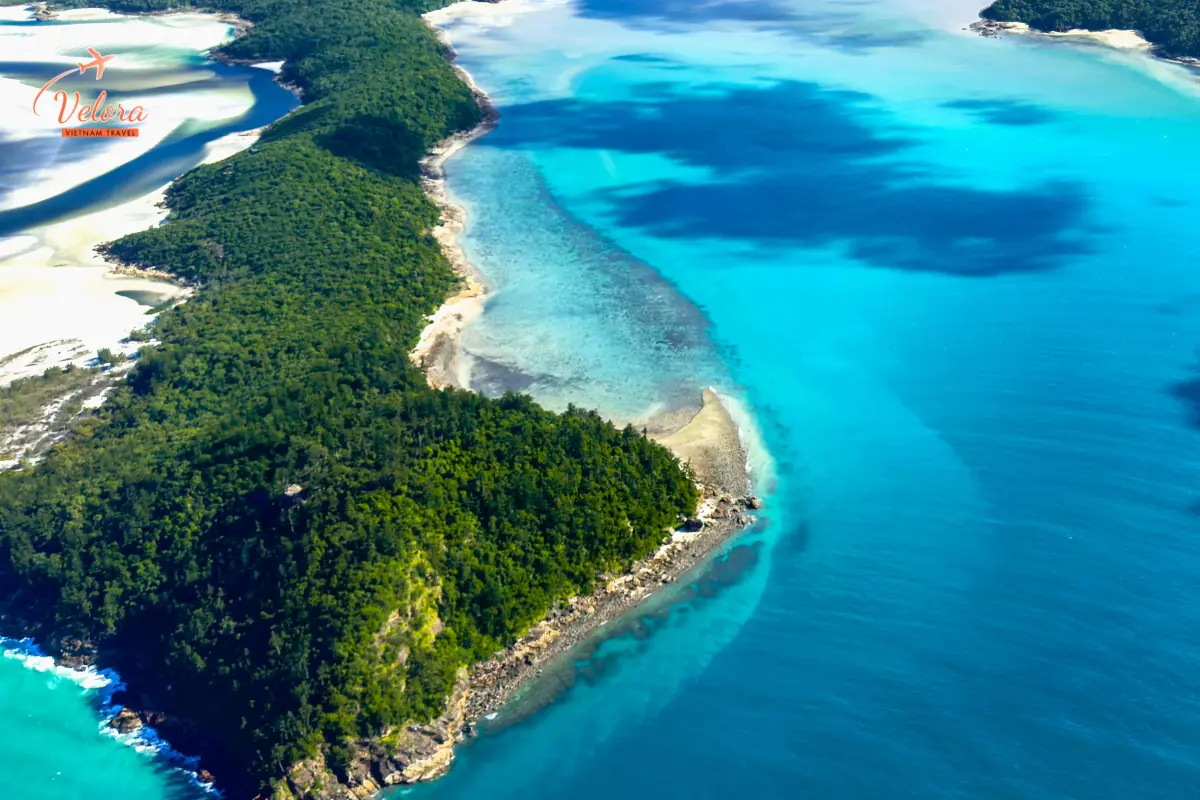
Visitors can enjoy:
- White-sand beaches
- Clear turquoise waters
- Snorkeling and kayaking
Koh Rong is livelier, while Koh Rong Samloem is quieter and more peaceful.
Cambodian Culture & Etiquette
Understanding local customs enhances the travel experience.
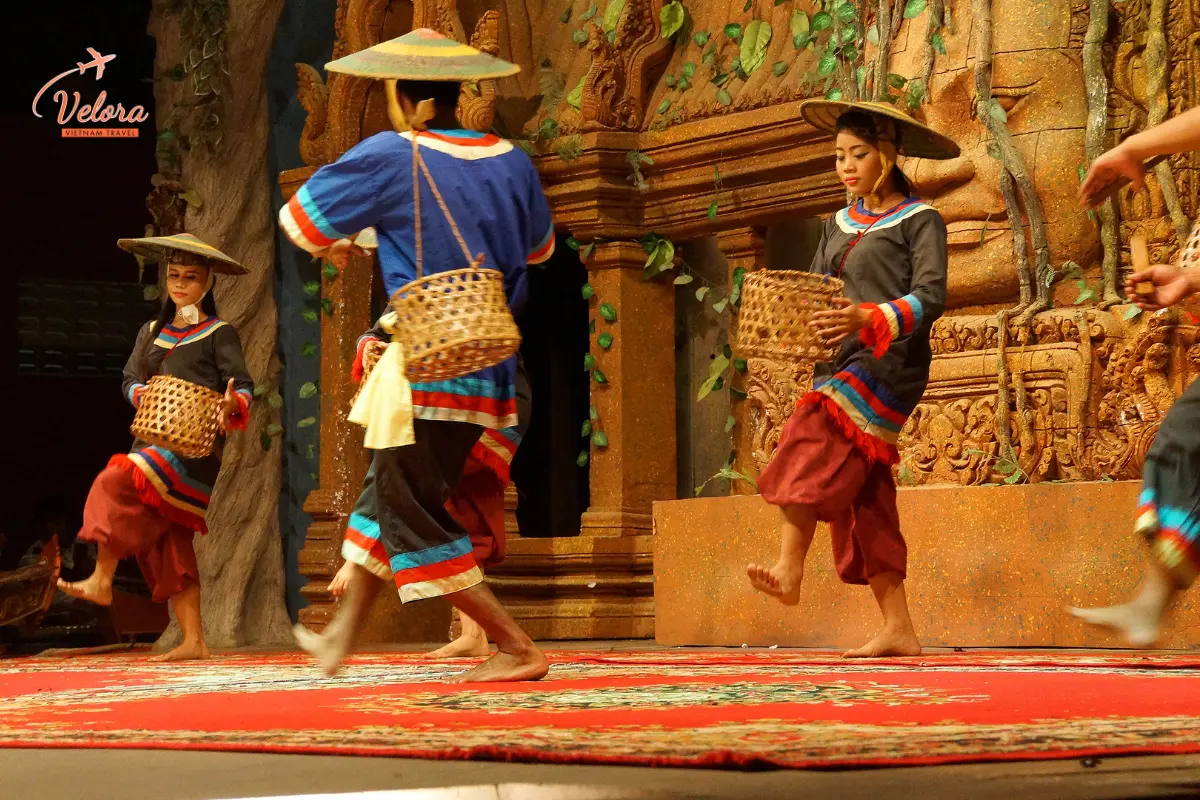
Key cultural tips:
- Dress modestly at temples
- Remove shoes before entering religious sites
- Use both hands when giving or receiving items
- Avoid touching someone’s head
Cambodians value politeness, humility, and respect.
Food in Cambodia: What to Expect
Cambodian cuisine is subtle, fresh, and less spicy than some neighboring cuisines.
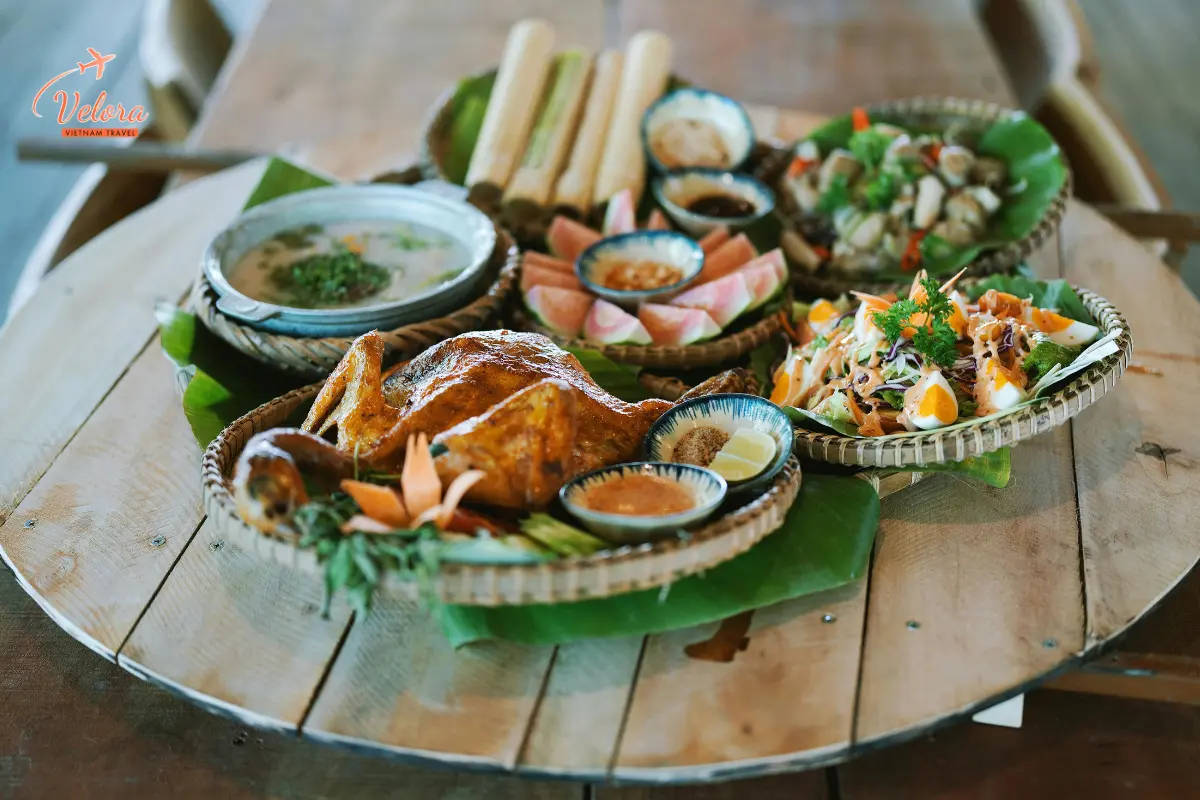
Popular dishes include:
- Amok: Coconut curry with fish
- Lok Lak: Stir-fried beef with lime and pepper
- Nom Banh Chok: Rice noodles with fish-based sauce
- Fresh tropical fruit
Street food is widely available and generally safe when chosen carefully.
Is Cambodia Safe for Tourists?
Yes. Cambodia is generally safe for international travelers.
- Violent crime is rare
- Locals are friendly and helpful
- Petty theft can occur in busy areas
Using common sense and travel insurance is recommended.
Responsible Travel in Cambodia
Cambodia benefits greatly from responsible tourism.
- Support local businesses and artisans
- Choose ethical tours and accommodations
- Be mindful when visiting historical sites
- Avoid activities that exploit people or animals
Traveling responsibly helps preserve Cambodia’s heritage.
Cambodia is not a destination defined only by its past. It is a country moving forward with grace, resilience, and quiet confidence. Traveling through Cambodia offers perspective — on history, humanity, and the beauty of simplicity.
For international travelers seeking depth, authenticity, and meaningful connection, Cambodia is not just suitable — it is extraordinary.