
Indochina is more than a geographical term. It is a cultural crossroads where ancient civilizations, spiritual traditions, and colonial histories have intertwined for centuries. To understand Indochina is to understand a shared heritage shaped by rivers, temples, rituals, and resilient communities.
What Is Indochina?
Indochina refers to a cultural and historical region in Southeast Asia located between India and China, hence the name Indo–China. Traditionally, Indochina includes Vietnam, Laos, and Cambodia, countries that share deep-rooted similarities in religion, architecture, language influences, and social customs.
The region is defined not by political borders alone, but by:
- The influence of Indian civilization (Hinduism, Buddhism, Sanskrit-based concepts)
- The influence of Chinese philosophy and governance
- A long history of agricultural river-based societies, especially along the Mekong River
Why Is Indochina Considered a Cultural Region?
Indochina is considered a cultural region because its societies developed under shared civilizational currents, creating common patterns in belief systems, art forms, and daily life.
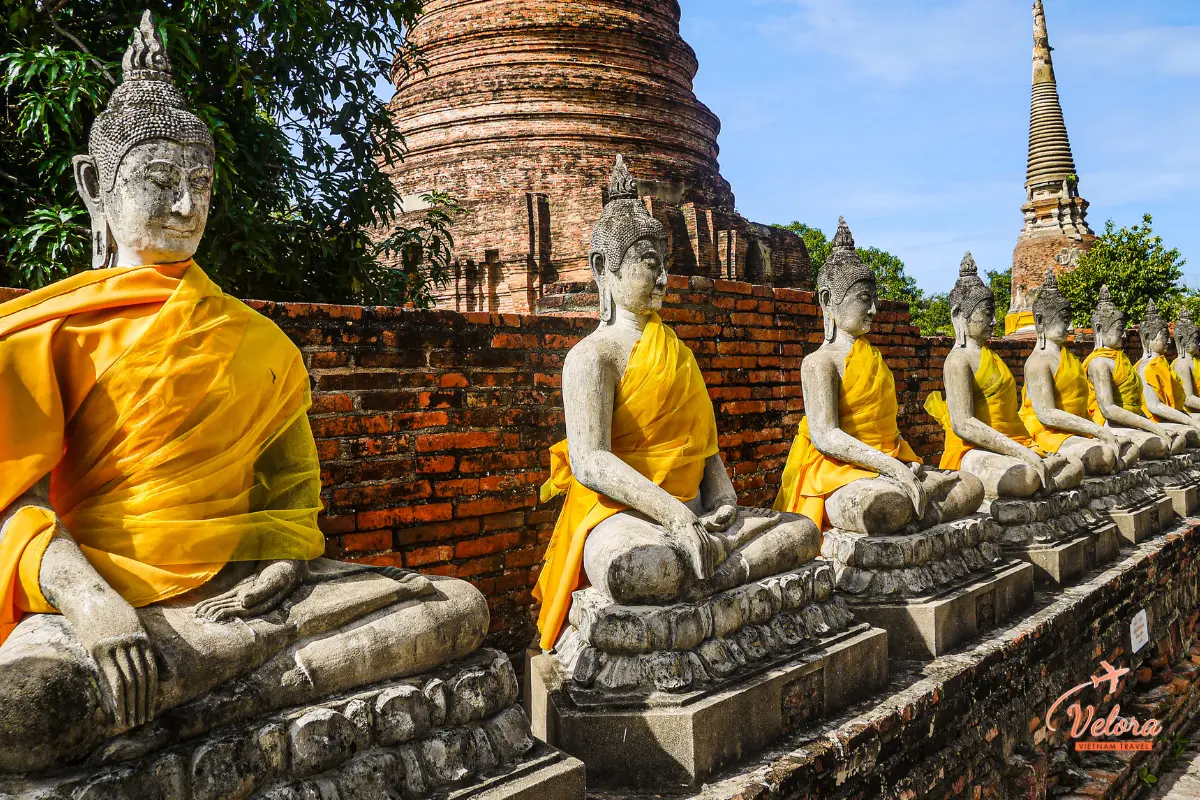
Key cultural foundations include:
- Theravāda Buddhism as the dominant spiritual practice
- Temple-centered communities, where religion shapes social rhythms
- Rituals tied to nature, seasons, harvests, and water
- Oral traditions and folklore passed down through generations
Despite modern national identities, these countries continue to reflect a collective cultural soul.
Key Cultural Characteristics of Indochina
1. Spiritual Life and Religion
Temples are not just places of worship; they are cultural anchors.
- Vietnam blends Buddhism, Confucianism, and folk beliefs
- Laos is deeply rooted in Theravāda Buddhism and monastic life
- Cambodia preserves Khmer spiritual heritage through Angkor-era temples
Daily rituals such as offering alms, lighting incense, and festival processions remain vivid and alive.
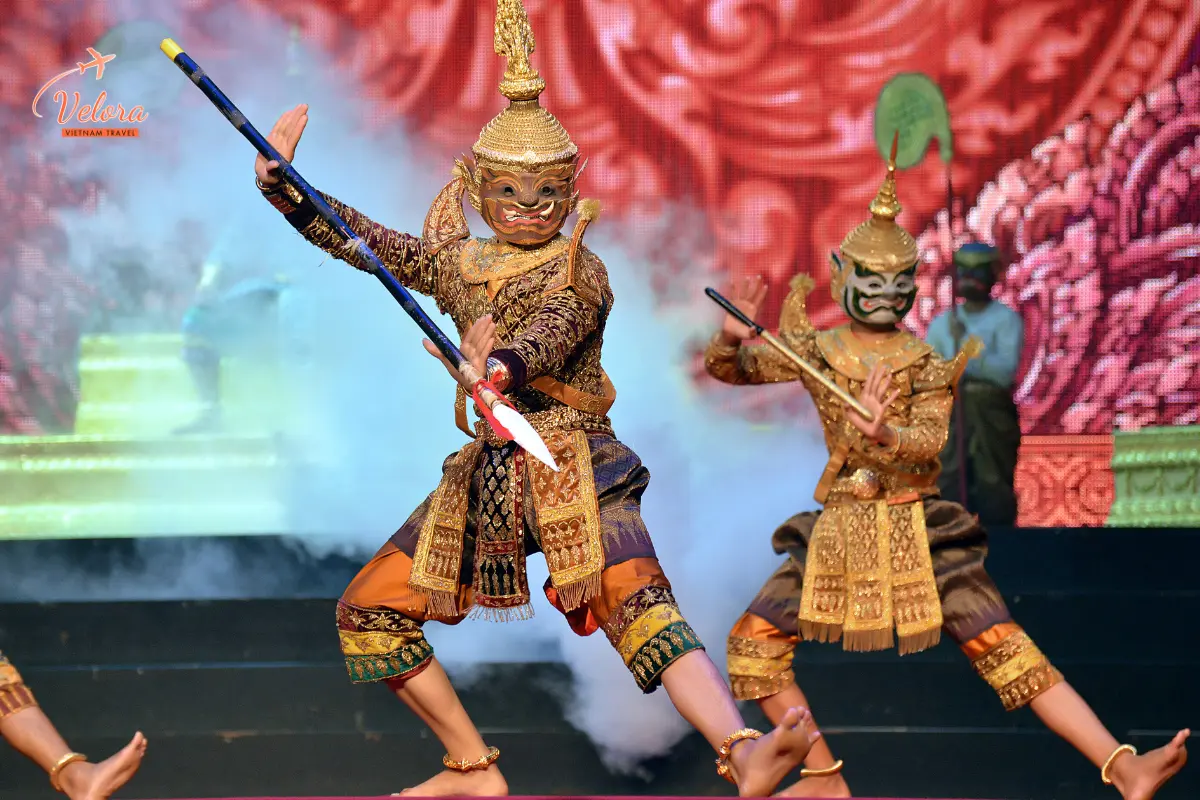
2. Architecture and Sacred Spaces
Indochinese architecture is symbolic and spiritual:
- Tiered temple roofs curve upward like lotus petals
- Stone carvings narrate myths, deities, and cosmic order
- Colors such as gold, red, and saffron symbolize enlightenment and devotion
Temples, pagodas, and stupas form the visual language of the region.
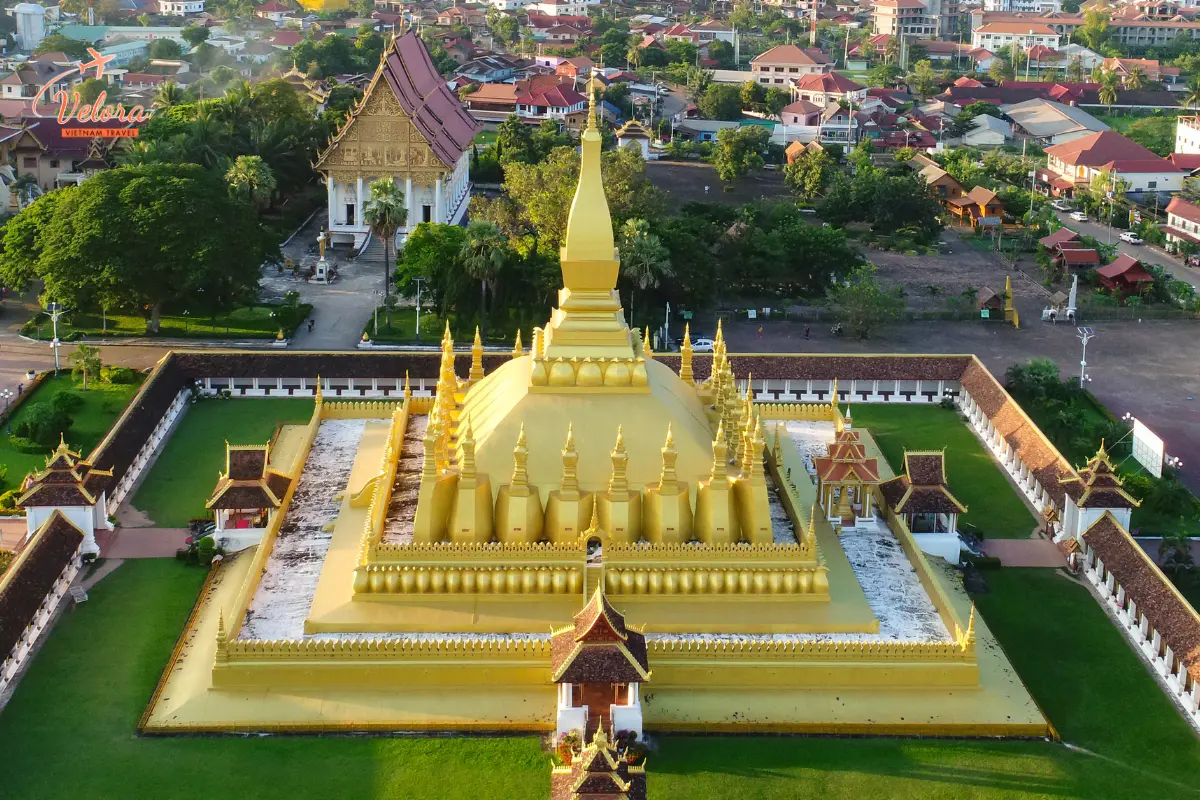
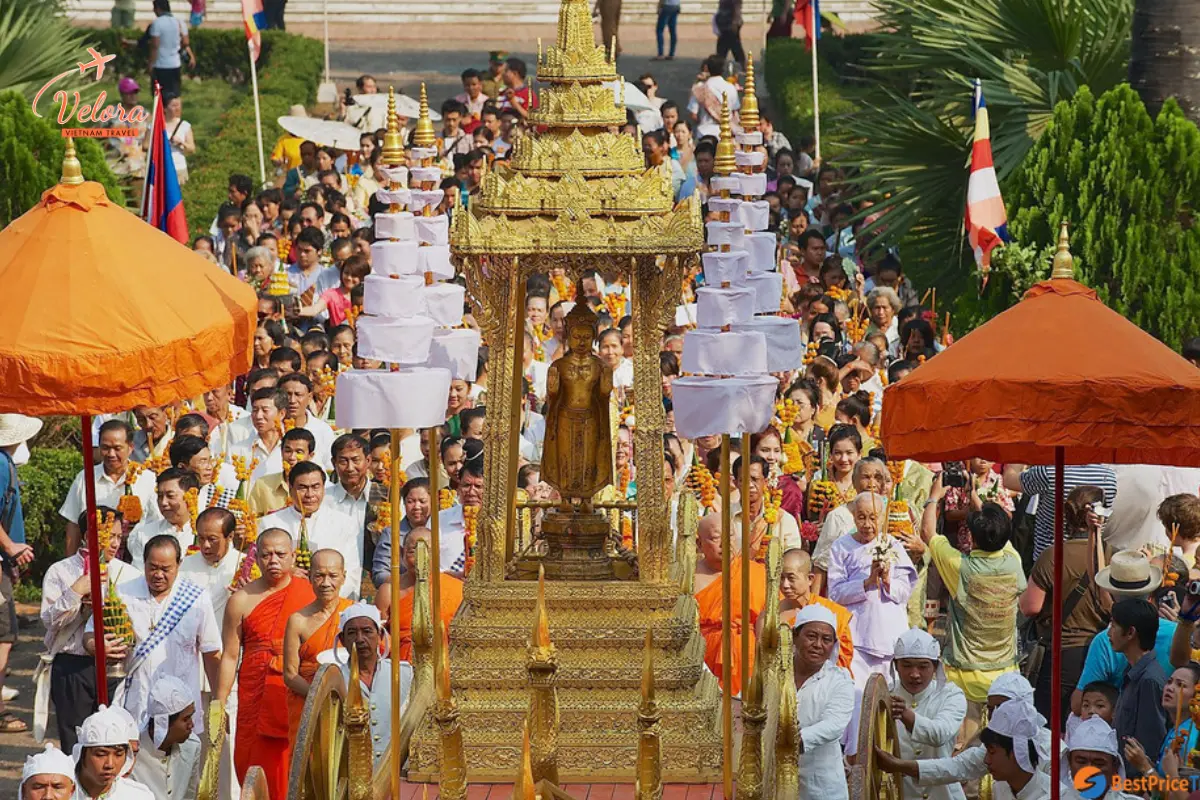
3. Traditions, Rituals, and Festivals
Cultural life in Indochina is cyclical and ritual-based:
- Bun Pi Mai (Lao New Year) celebrates purification and renewal
- Tet (Vietnamese Lunar New Year) honors ancestors and family bonds
- Khmer New Year reflects harmony between humans and nature
These festivals are rich in music, dance, offerings, and communal gatherings.
4. Daily Life and Social Values
Across Indochina, social life emphasizes:
- Respect for elders and monks
- Strong family and village ties
- Hospitality, humility, and balance
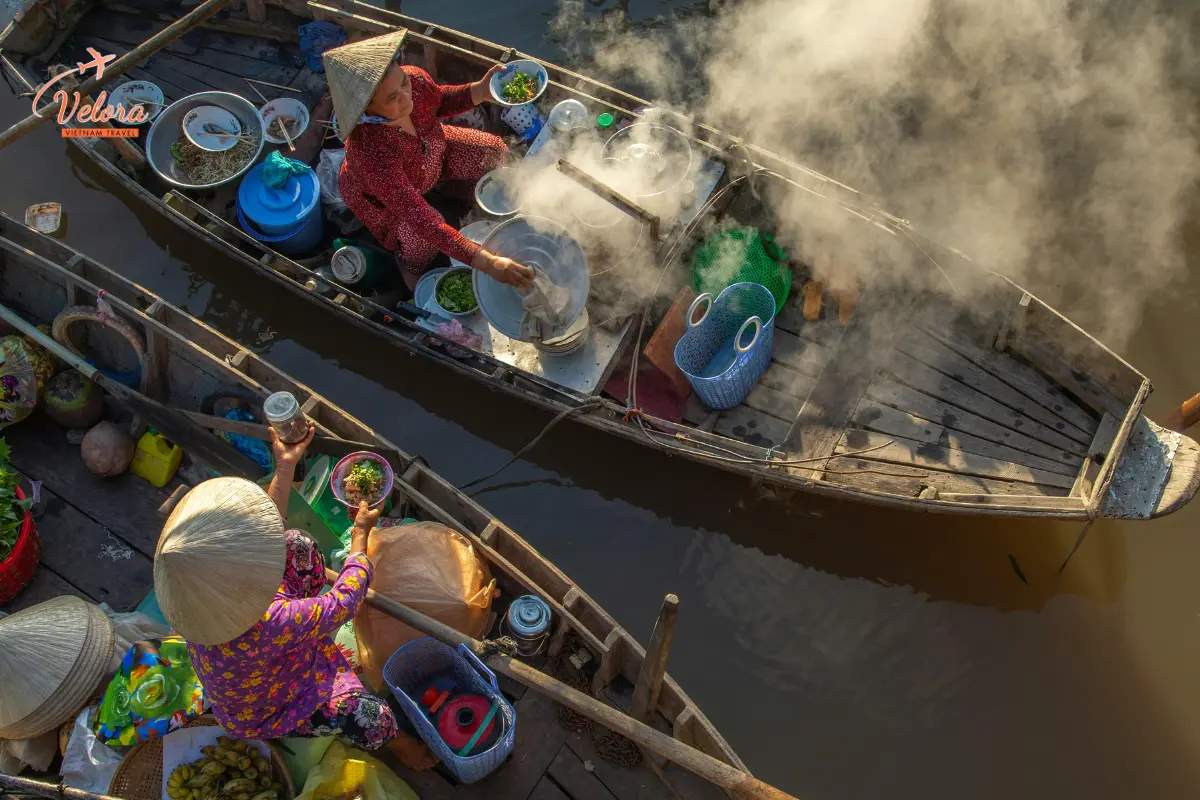
Life moves at a gentle rhythm — slow footsteps, soft smiles, the sound of temple bells drifting through the air.
Indochina Today: A Living Cultural Landscape
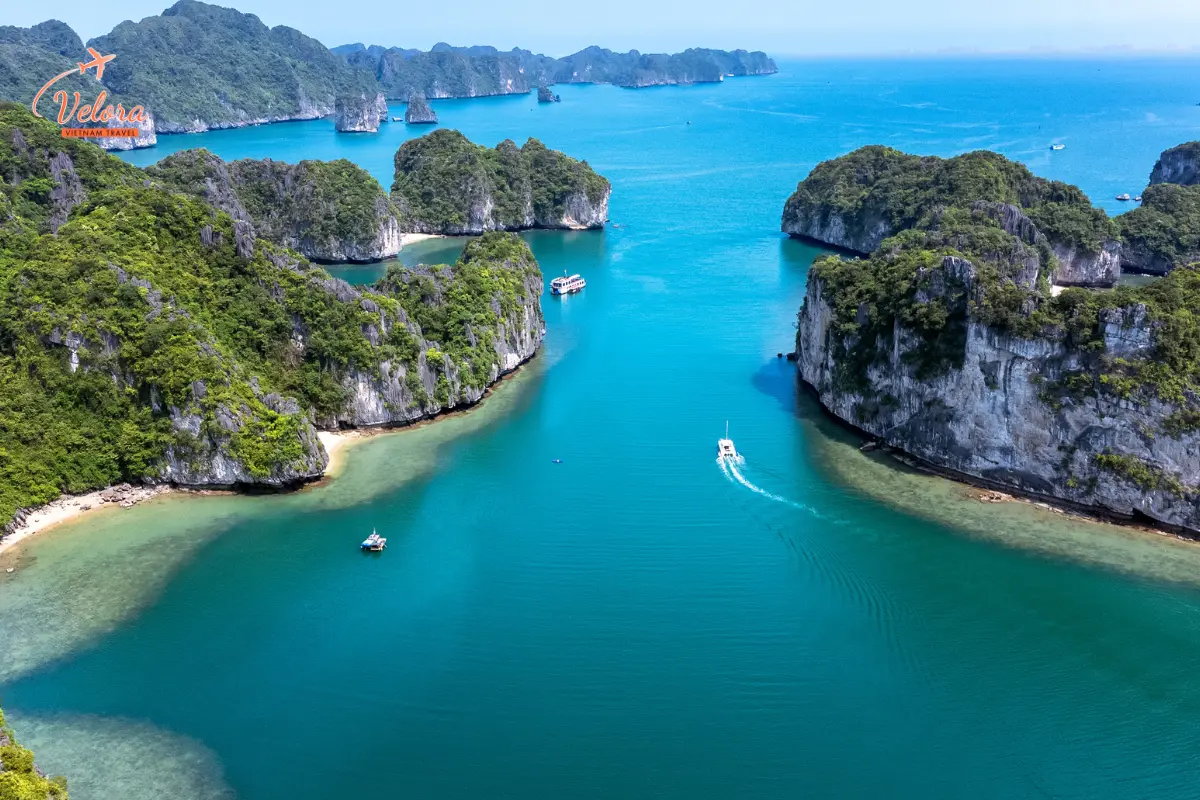
Modern Indochina is not frozen in the past. Cities are growing, tourism is expanding, and global influences are present. Yet beneath this modern surface, traditional values remain deeply rooted.
Visitors to Indochina often describe it as:
- Calm but profound
- Simple yet symbolic
- Ancient yet alive
It is a region where culture is not performed for display — it is lived, day by day.
Why Understanding Indochina Matters for Travelers
Understanding Indochina helps travelers:
- Travel more respectfully and meaningfully
- Appreciate rituals beyond sightseeing
- Connect with local communities on a deeper level
For culture lovers, Indochina offers more than destinations — it offers context, continuity, and connection.
Indochina is a cultural region shaped by centuries of spiritual belief, human resilience, and shared traditions. To understand Indochina is to listen to its quiet stories — told through temples at dawn, rituals at dusk, and lives lived in harmony with nature.
For those who seek authentic cultural journeys, Indochina remains one of the most profound regions in the world.