
The Luang Prabang - Angkor - Hoi An heritage triangle represents one of the most profound cultural journeys in Indochina. Connecting three UNESCO World Heritage sites across Laos, Cambodia, and Vietnam, this triangle traces the spiritual, architectural, and social evolution of Southeast Asia’s mainland civilizations.
Rather than a conventional travel route, this itinerary forms a cultural axis - where faith, craftsmanship, and community life converge across borders.
Why the Heritage Triangle Matters
Luang Prabang, Angkor, and Hoi An are not only historically significant cities; they are living repositories of Indochina’s shared heritage.
Together, they represent:
- The spiritual foundation of Theravāda Buddhism
- The monumental legacy of the Khmer Empire
- The mercantile and multicultural traditions of maritime Vietnam
This triangle reveals how different cultural expressions emerged from a common civilizational core, shaped by geography, belief, and human exchange.
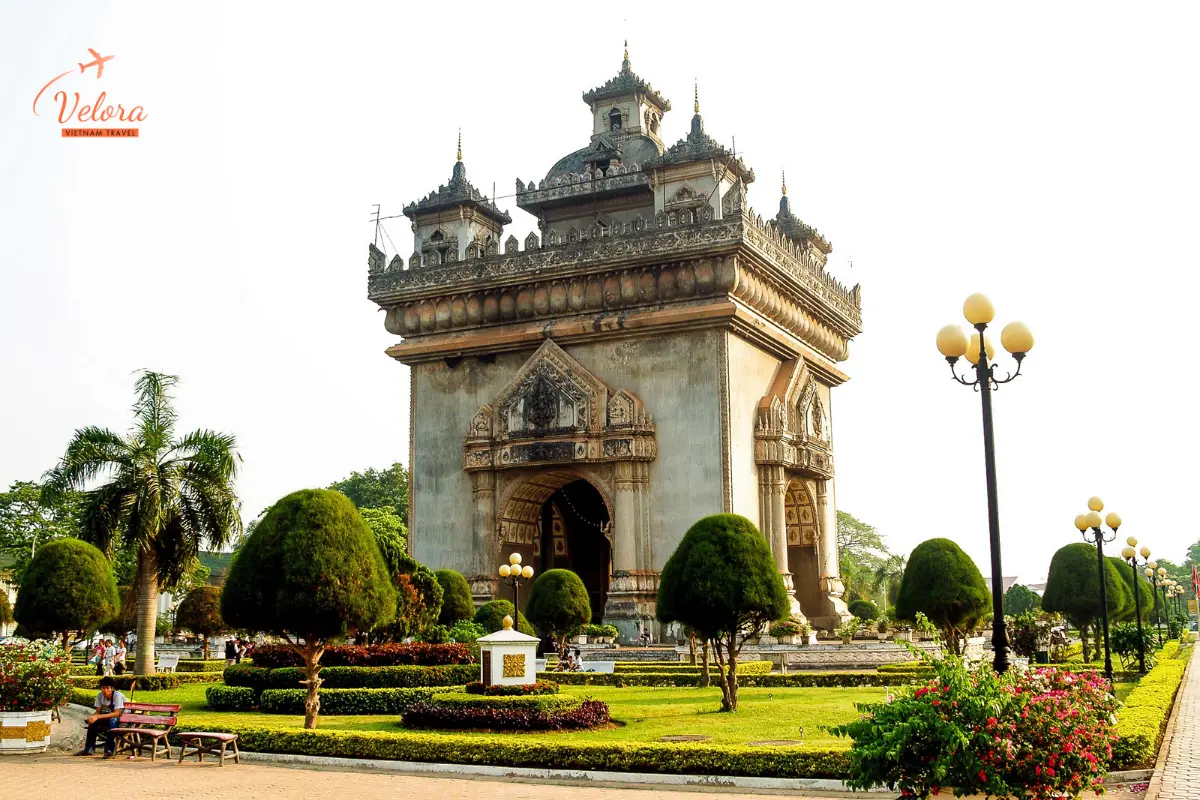
Overview of the Heritage Triangle Route
Key thematic pillars include:
- Sacred landscapes and UNESCO-listed heritage sites
- Temple architecture and symbolic urban design
- Traditional crafts, rituals, and daily life
- River systems as cultural connectors
Each destination complements the others, forming a cohesive narrative rather than isolated experiences.
Luang Prabang: Spiritual Grace and Living Tradition
Nestled between the Mekong and Nam Khan rivers, Luang Prabang embodies spiritual serenity.
- Golden temples glow softly in the morning light
- Monks walk barefoot in the dawn alms-giving ritual
- Wooden houses and quiet streets preserve a contemplative rhythm
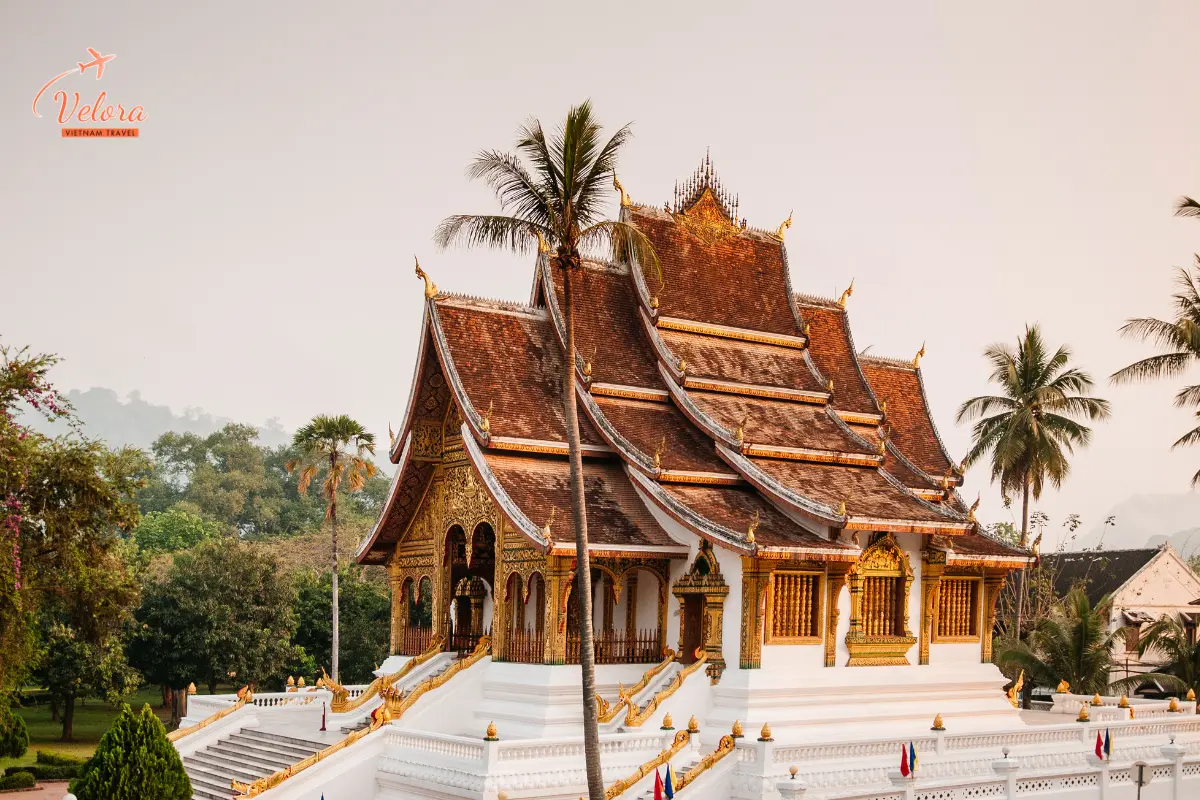
Here, Buddhism is not ceremonial - it shapes daily life, guiding behavior, community values, and social harmony.
Luang Prabang offers travelers a gentle introduction to Indochina’s spiritual heart.
Angkor: Monumental Faith and Cosmic Architecture
Angkor represents the architectural and ideological zenith of the Khmer civilization.
- Angkor Wat mirrors the universe through sacred geometry
- Angkor Thom reflects royal authority and spiritual devotion
- Bas-reliefs narrate myths, rituals, and historical processions
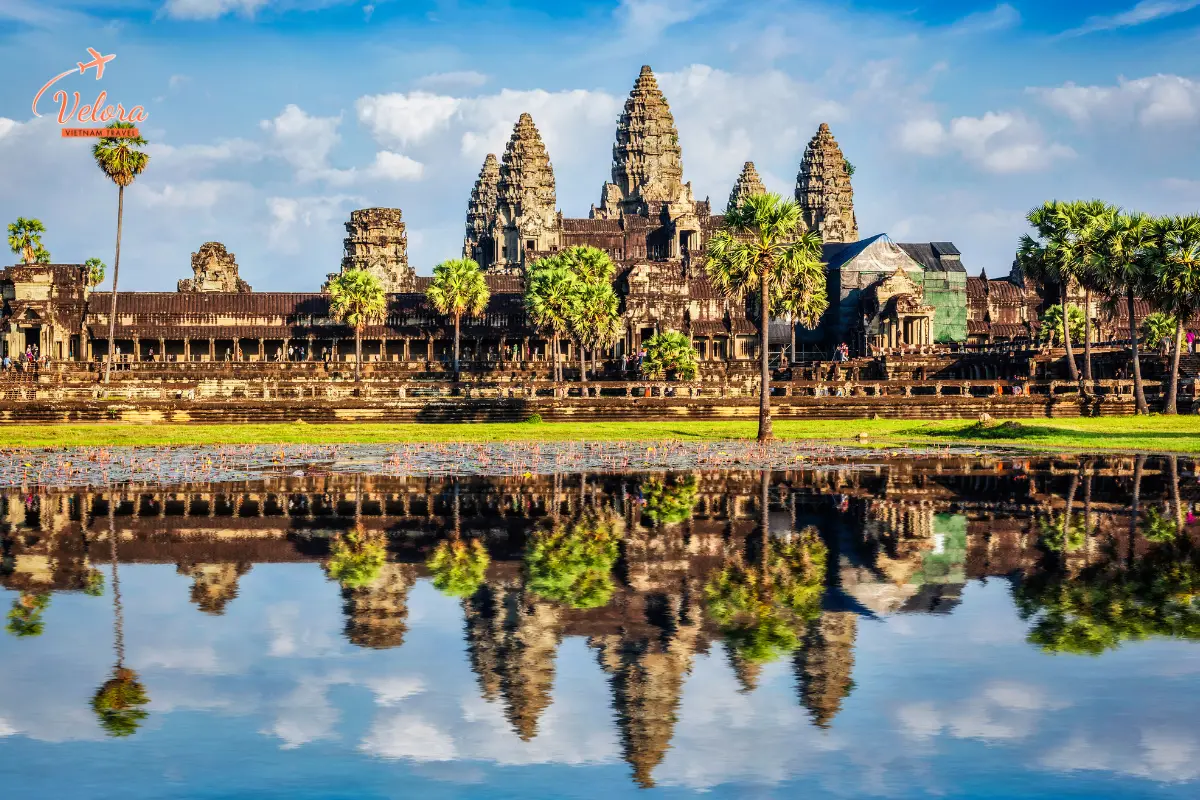
Unlike static ruins, Angkor remains a sacred landscape. Local communities continue to worship within these ancient structures, bridging past and present.
Angkor reveals the scale, ambition, and symbolic depth of Indochinese civilization.
Hoi An: Cultural Exchange and Living Heritage
Hoi An stands as a testament to centuries of cultural exchange.
- Chinese assembly halls, Japanese bridges, and Vietnamese houses coexist harmoniously
- Lantern-lit streets reflect a mercantile town shaped by global trade
- Traditional tailoring, ceramics, and folk rituals endure
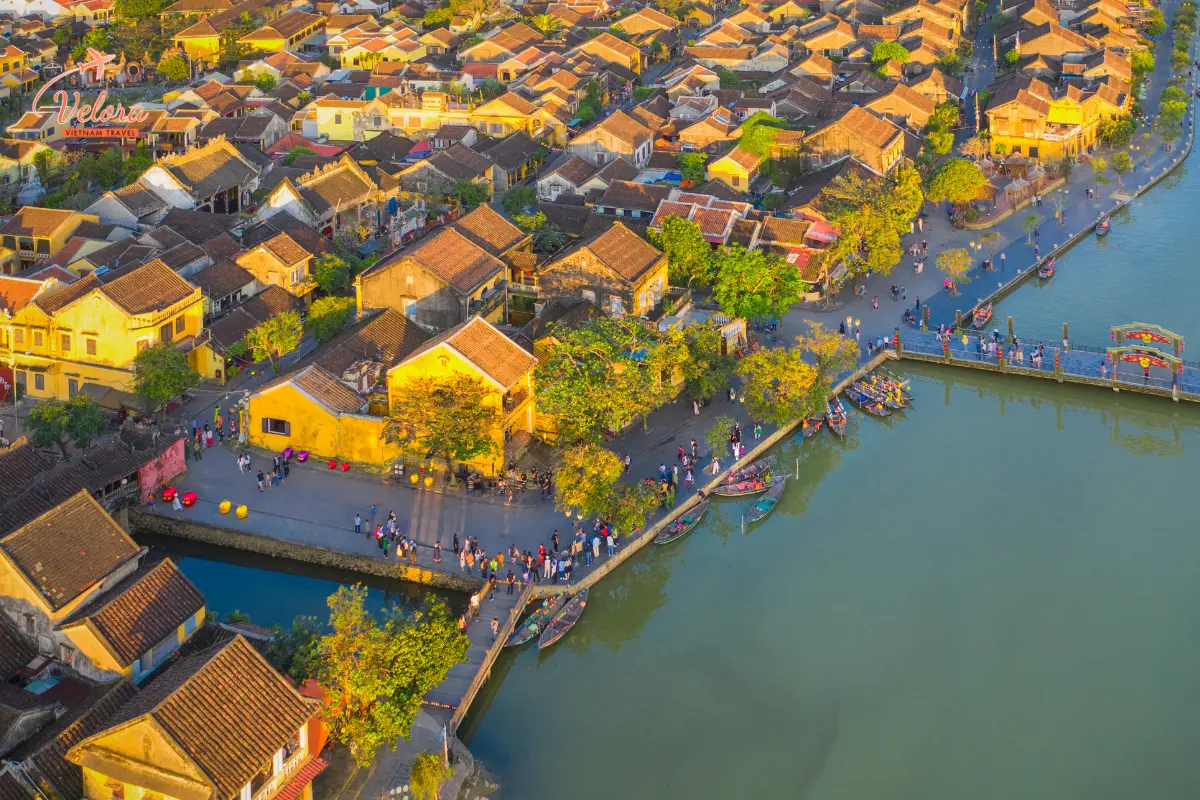
Hoi An illustrates how Indochina engaged with the world - absorbing external influences while preserving local identity.
This final point in the triangle highlights cultural adaptability and continuity.
Cultural Experiences Along the Triangle
The heritage triangle emphasizes experiential understanding:
- Participating in alms-giving ceremonies
- Exploring temples with cultural interpreters
- Engaging with artisans and local families
- Understanding symbolism behind architecture and rituals
These experiences transform travel into cultural dialogue.

Best Time to Travel
The optimal travel window is November to March, offering:
- Comfortable weather across all three destinations
- Clear skies for heritage exploration
- Vibrant cultural festivals and rituals
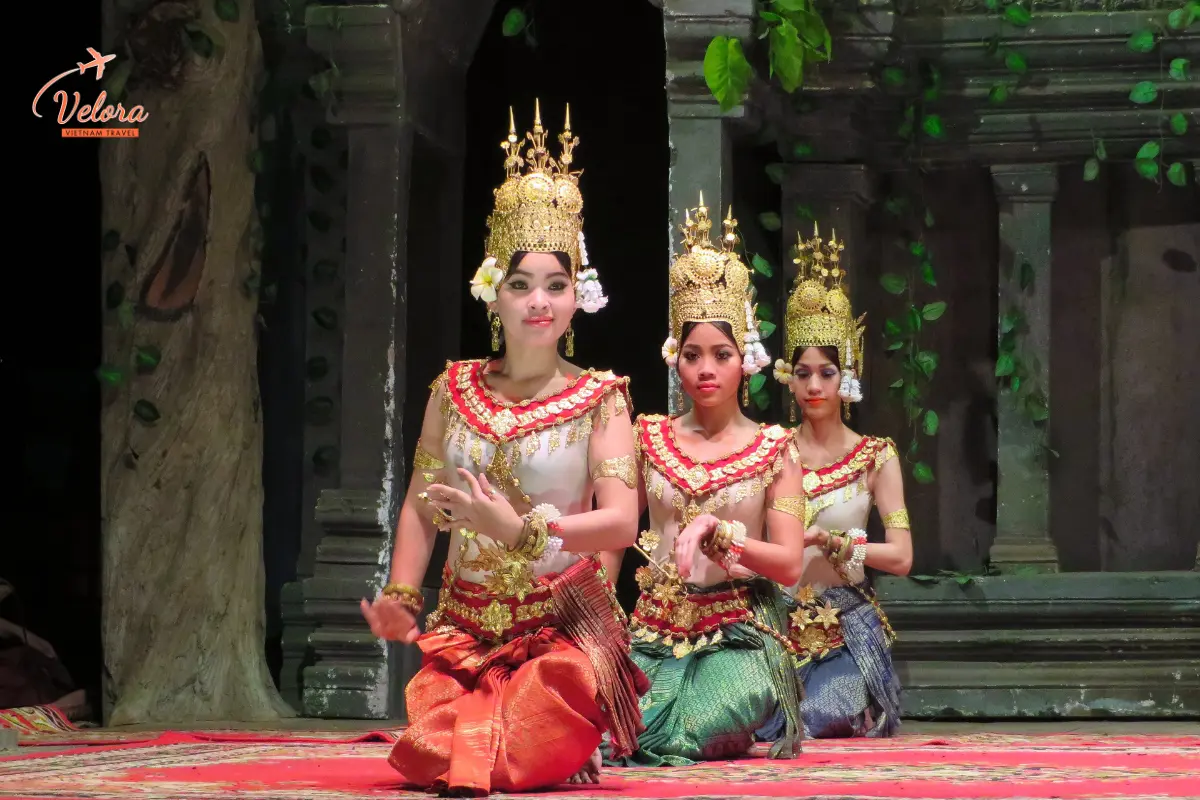
Luang Prabang - Angkor - Hoi An form a cultural triangle that encapsulates the soul of Indochina. Traveling between these three heritage cities reveals a civilization shaped by belief, artistry, and human connection.
For those seeking a journey rich in meaning, reflection, and cultural depth, this heritage triangle offers one of Southeast Asia’s most rewarding travel experiences.