
Indochina is not a destination defined by speed or spectacle. It is a region shaped by memory, belief, and ritual - where culture is not preserved behind glass, but lived daily through prayer, ceremony, and tradition.
For travelers drawn to history, spirituality, and human connection, Indochina offers one of the most profound cultural journeys in Asia. Spanning Vietnam, Laos, and Cambodia, the region reveals a shared heritage rooted in Buddhism, ancestral worship, agrarian life, and centuries of cultural exchange, while maintaining distinct national identities.
Indochina: A Cultural Crossroads of Southeast Asia
Indochina sits at the intersection of Indian, Chinese, and indigenous civilizations. Over centuries, trade routes, religious movements, and empires shaped its cultural landscape.
Key influences include:
- Theravāda Buddhism (Laos & Cambodia)
- Mahayana Buddhism & Confucianism (Vietnam)
- Animist beliefs rooted in nature and ancestral spirits
- Hindu cosmology, particularly visible in ancient Khmer architecture
Rather than replacing one another, these belief systems coexist, creating layered cultural expressions that continue today.
Sacred Architecture: Temples as Cultural Anchors
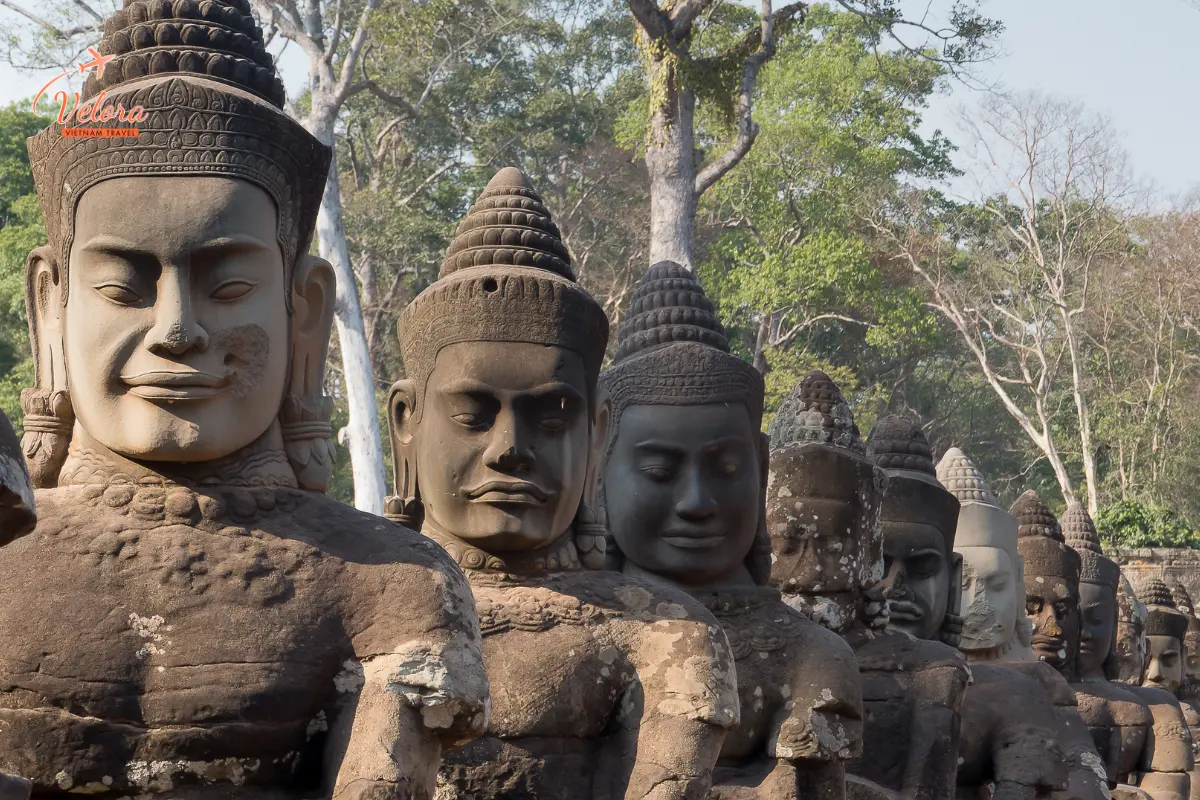
Angkor Temples, Cambodia: Sacred Stone & Cosmic Order
The Angkor temple complex is one of the world’s most significant religious landscapes. Built between the 9th and 15th centuries, its temples were designed as symbolic representations of the universe.
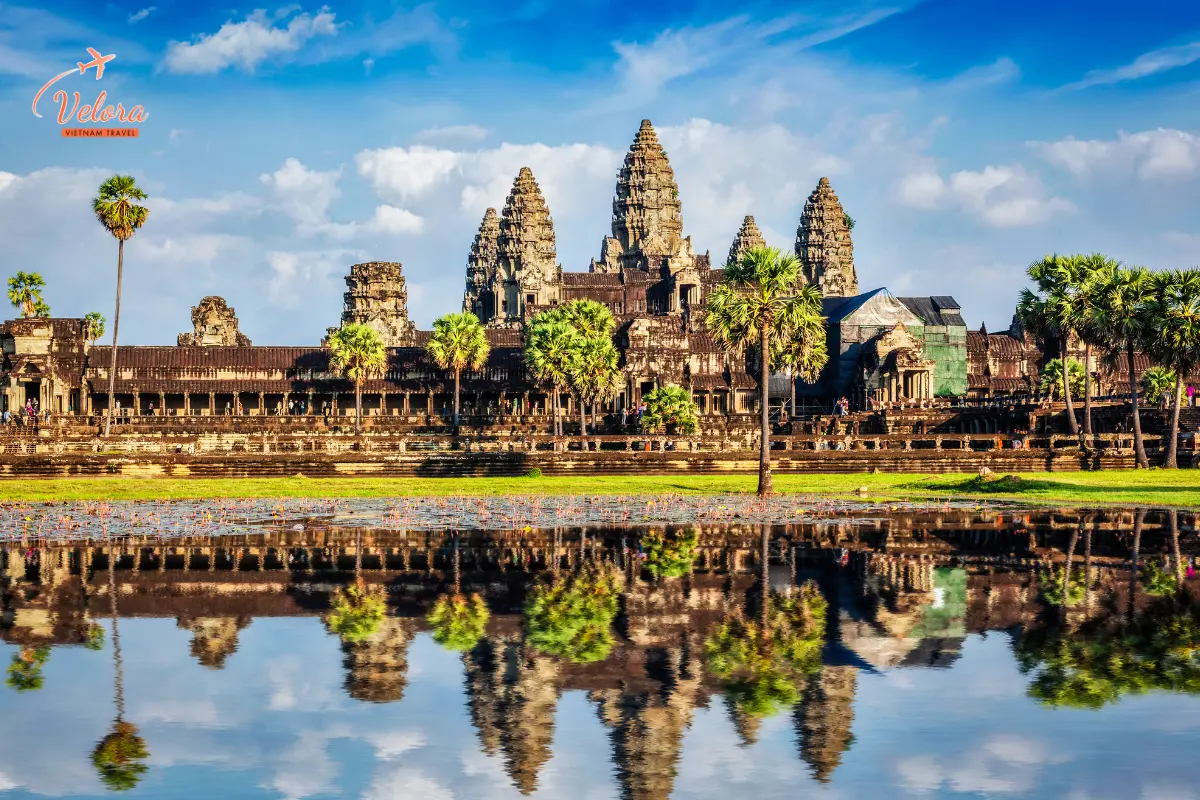
- Angkor Wat reflects Hindu cosmology and later Buddhist devotion
- Bayon Temple embodies spiritual kingship and compassion
- Ta Prohm reveals the dialogue between nature and sacred space
These temples were not merely places of worship — they were political, spiritual, and cosmic centers.
Buddhist Temples of Laos: Stillness & Devotion
In Laos, temples are woven quietly into daily life.
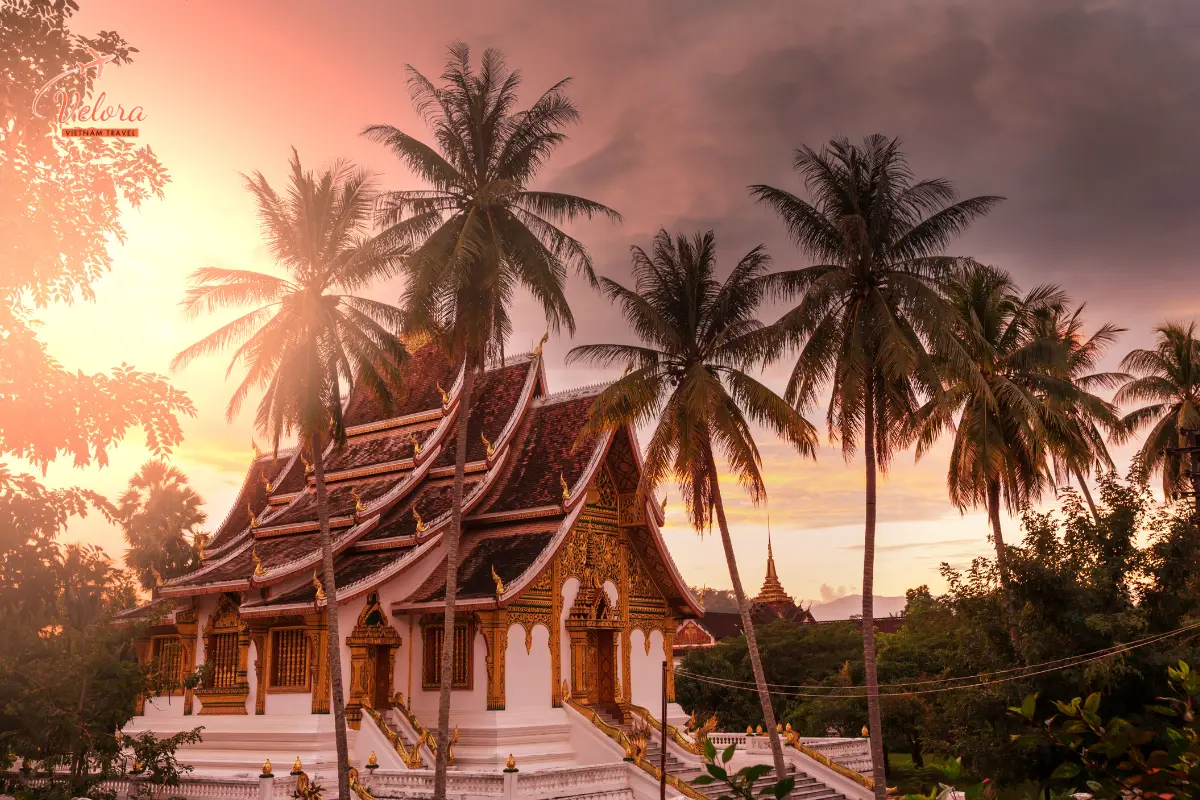
- Luang Prabang’s monasteries reflect humility, balance, and simplicity
- Monks walk barefoot at dawn, collecting alms in silence
- Temples function as spiritual, educational, and community centers
Laotian temples are not monumental in scale, but profound in atmosphere.
Vietnamese Pagodas: Harmony of Philosophy & Folk Belief
Vietnamese pagodas blend Buddhism, Confucian ethics, Taoist philosophy, and local folk traditions.
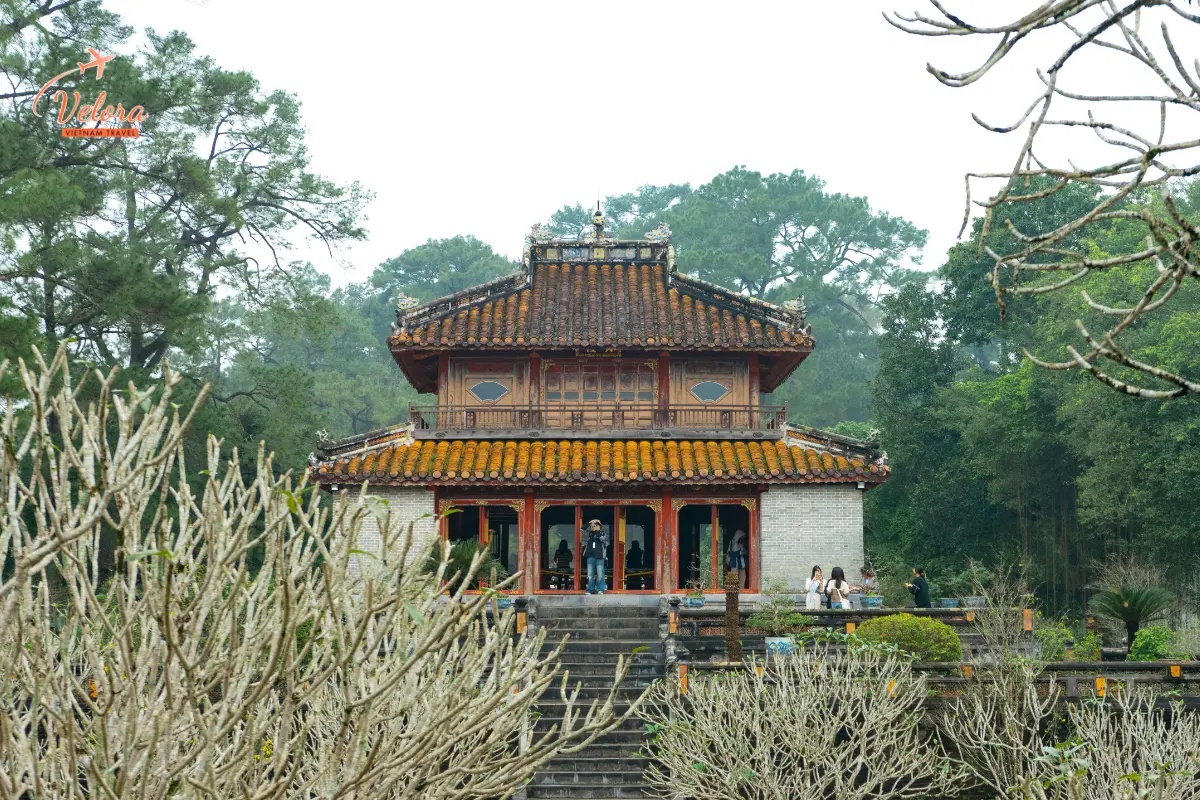
- Pagodas often honor both Buddhas and national heroes
- Courtyards, incense, and guardian statues reflect spiritual protection
- Rituals emphasize harmony, filial piety, and moral balance
Here, spirituality is both philosophical and deeply personal.
Living Traditions: Culture Beyond Architecture
Daily Rituals That Shape Life
Across Indochina, ritual is woven into everyday routines:
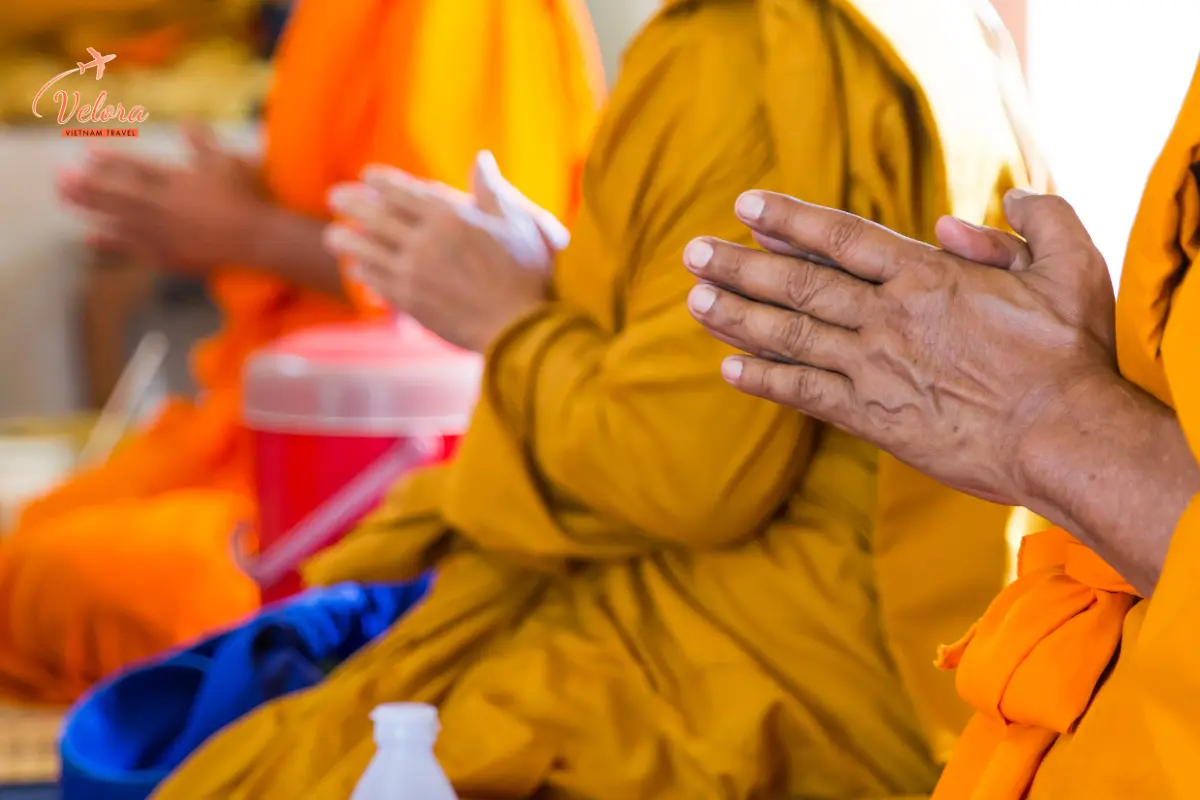
- Morning offerings at household altars
- Incense burning to honor ancestors
- Blessings before journeys, marriages, or new homes
These acts may appear small, but they reflect a worldview centered on continuity and respect.
Baci Ceremony (Laos): Calling the Spirit Home
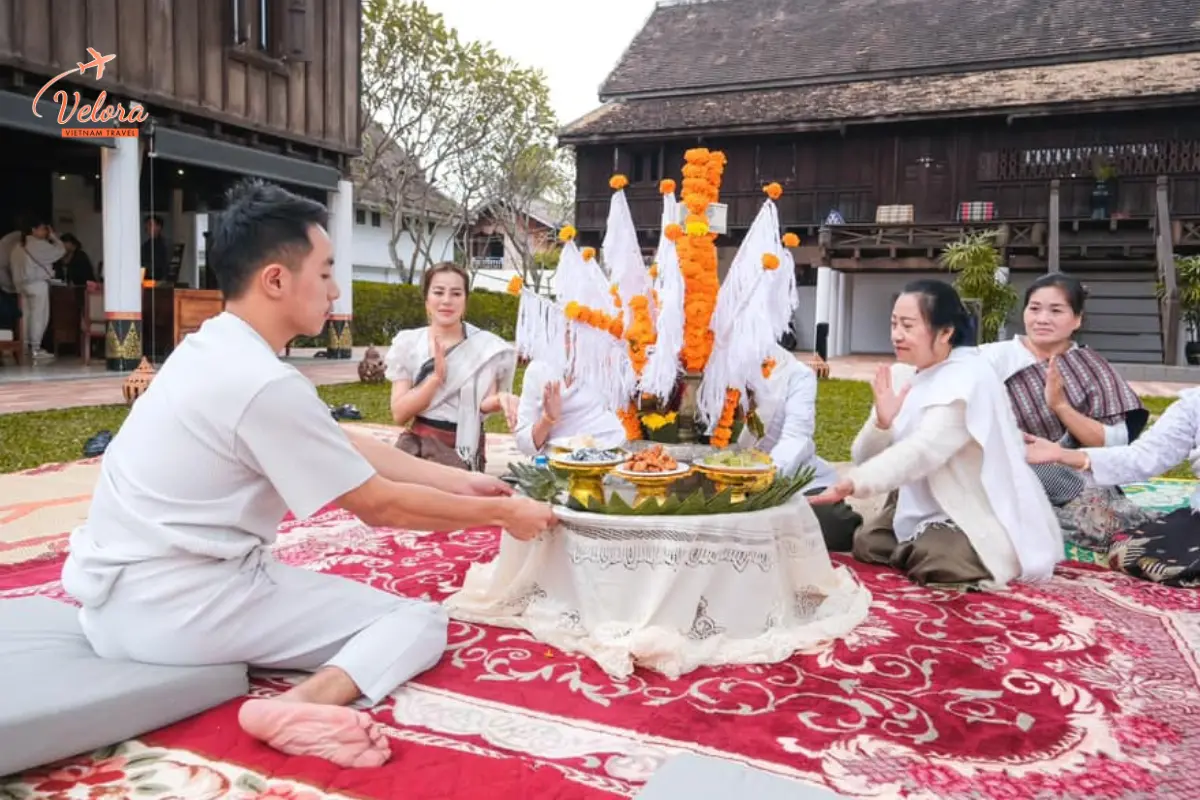
One of the most intimate rituals in Laos, the Baci ceremony seeks to restore spiritual balance by welcoming wandering spirits back to the body.
White cotton strings are tied around the wrists, symbolizing protection, unity, and goodwill. For visitors, participating respectfully offers rare insight into Lao spiritual life.
Ancestor Worship in Vietnam
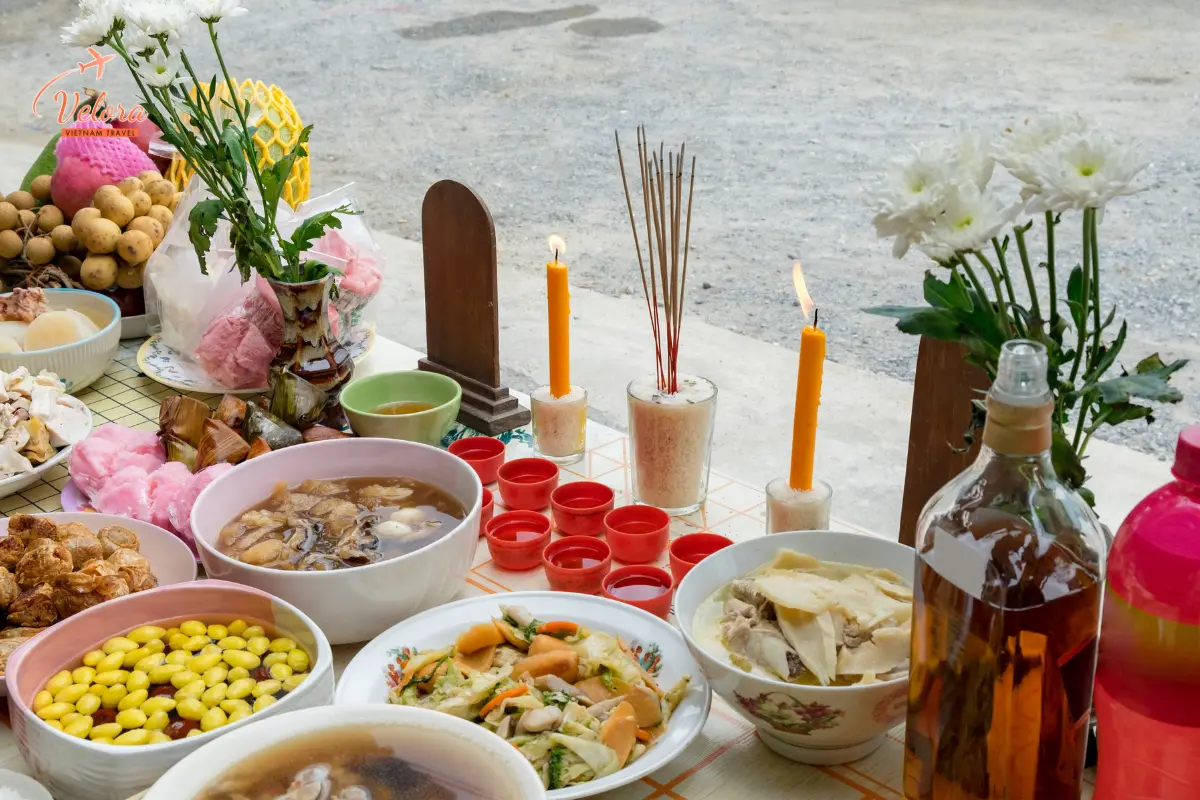
Vietnamese families maintain strong ancestral connections:
- Ancestral altars are central to homes
- Offerings are made during festivals, anniversaries, and life transitions
- The dead are considered active members of the family
This practice reinforces identity, lineage, and moral responsibility.
Festivals: Where Ritual Meets Community
Cambodia – Pchum Ben
A sacred festival honoring ancestors, marked by temple offerings and communal prayer.
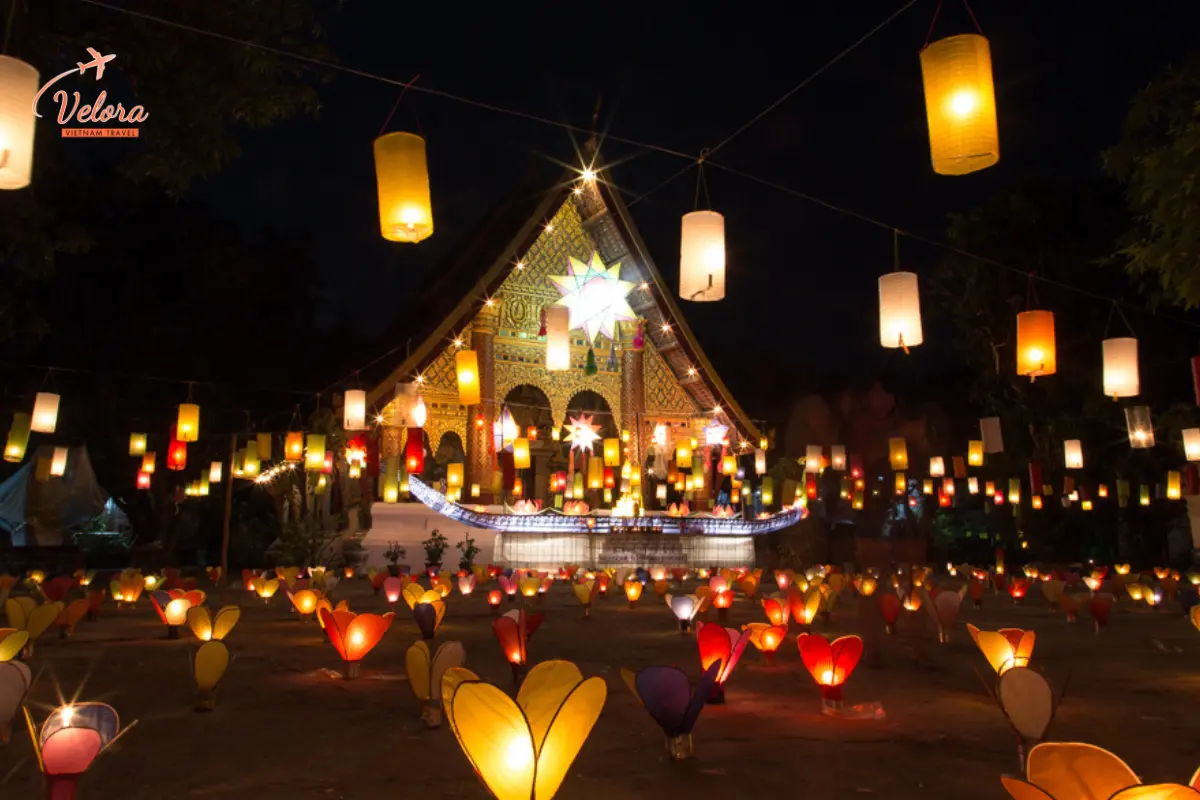
Laos – Pi Mai (Lao New Year)
A spiritual renewal festival combining water rituals, temple ceremonies, and joyful celebration.
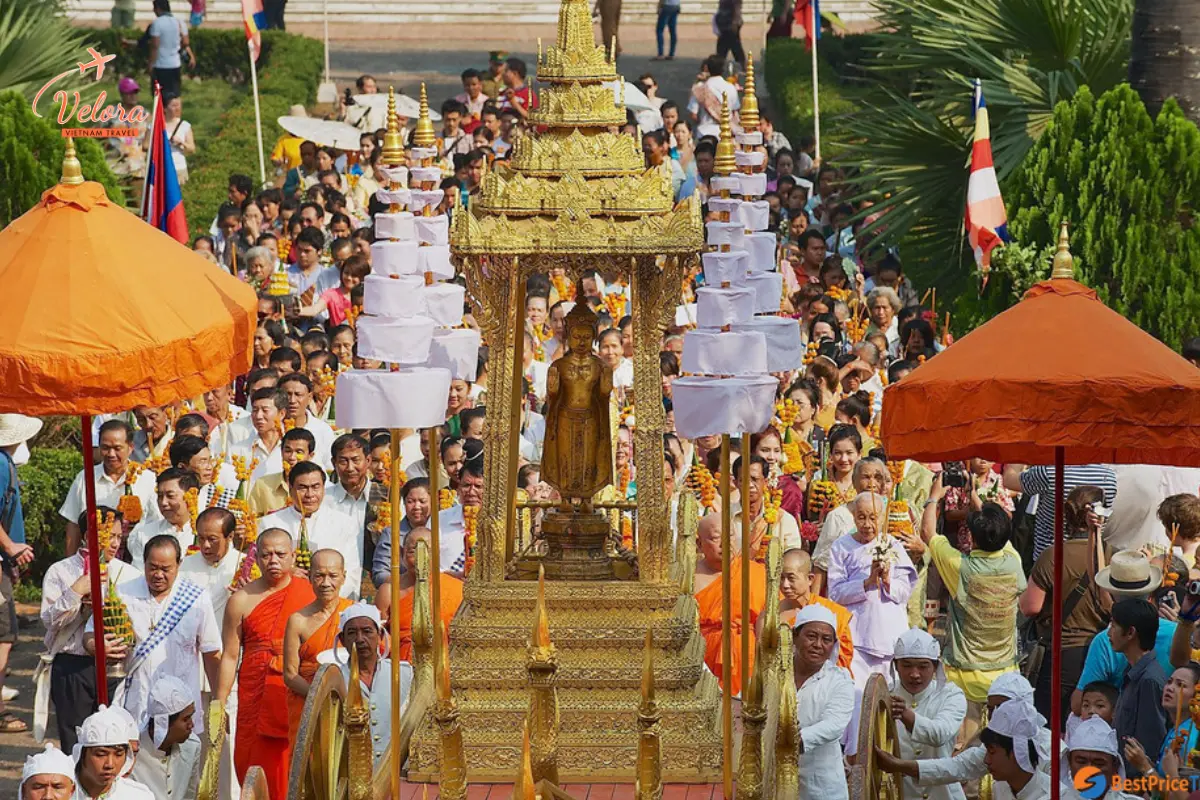
Vietnam – Tet (Lunar New Year)
The most important cultural festival, centered on family, ancestors, and renewal.
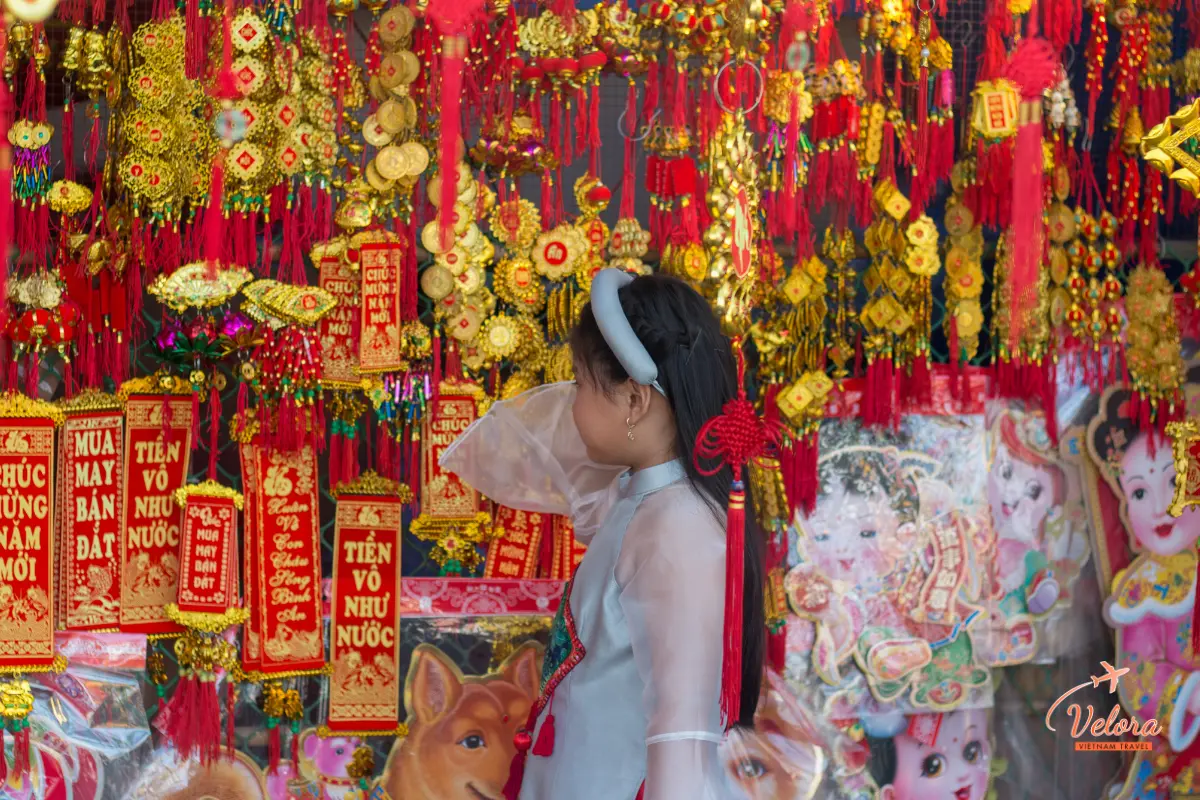
Festivals in Indochina are not performances for tourists — they are lived experiences that invite respectful observation and participation.
Dress, Gesture & Cultural Etiquette
Culture in Indochina is also expressed through:
- Traditional clothing worn during ceremonies
- Modest dress in sacred spaces
- Body language emphasizing respect and restraint
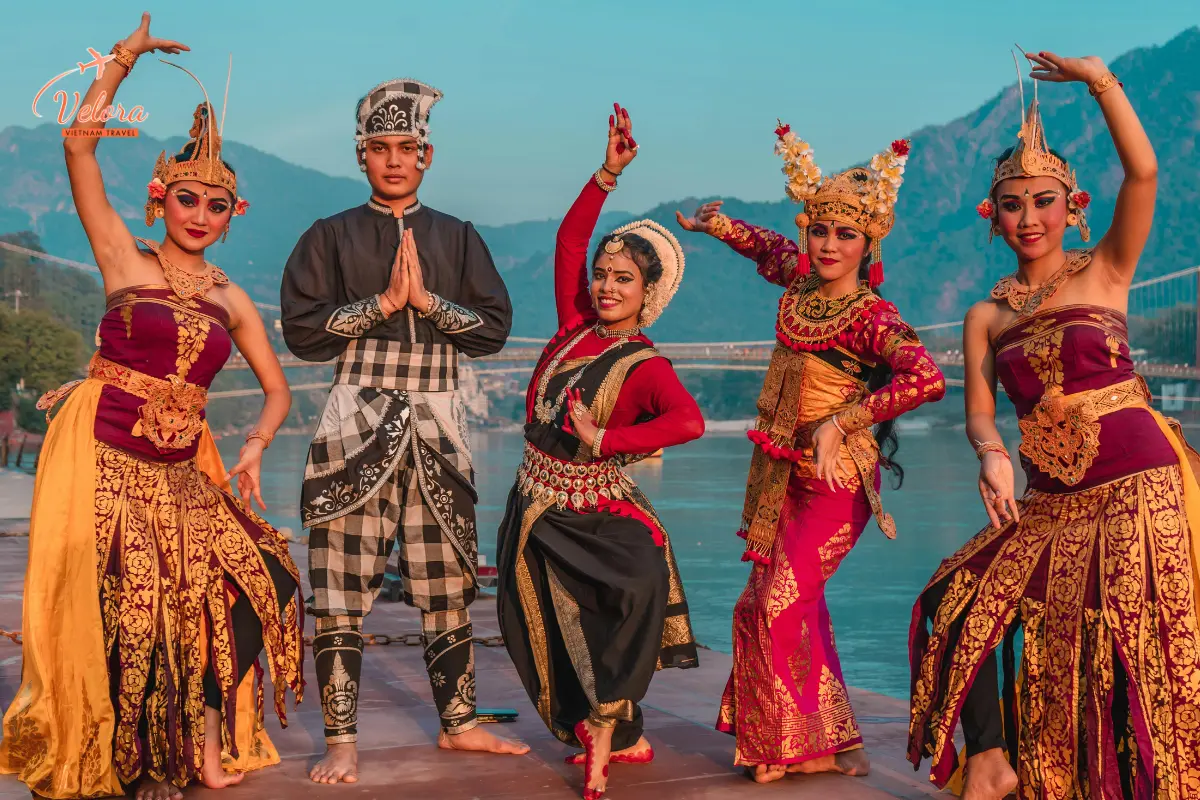
Understanding etiquette — removing shoes, lowering one’s voice, avoiding physical contact with monks — deepens cultural connection.
Best Destinations for Cultural Immersion in Indochina
- Luang Prabang (Laos): Spiritual calm and ritual life
- Angkor (Cambodia): Ancient sacred architecture
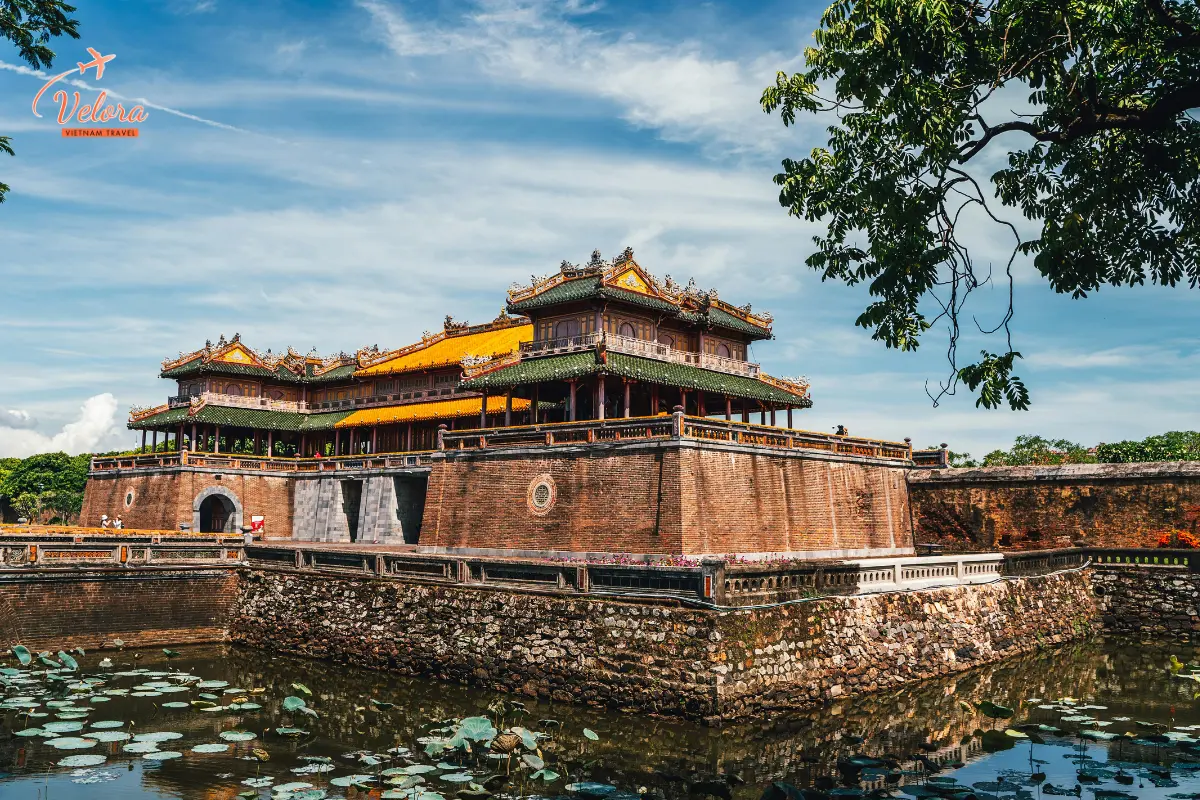
- Hue (Vietnam): Imperial heritage and ritual tradition
- Hanoi (Vietnam): Layered history and living spirituality
Each destination reveals a different cultural dimension.
Responsible Cultural Travel in Indochina
Culture survives through respect.
Travelers are encouraged to:
- Dress appropriately in temples
- Ask before photographing rituals or people
- Support local artisans and guides
- Learn cultural context before participation
Respect transforms travel into exchange.
Indochina as a Cultural Journey
Indochina does not reveal itself quickly. Its temples, traditions, and rituals are not meant to impress, but to endure.
For culture lovers, this region offers more than historical knowledge — it offers perspective. In its quiet rituals, shared meals, and sacred spaces, Indochina reminds travelers of a slower, more connected way of being.
To travel here is not simply to see culture.
It is to step into it — gently, respectfully, and deeply.